Easiest setup
Full worm system
$80
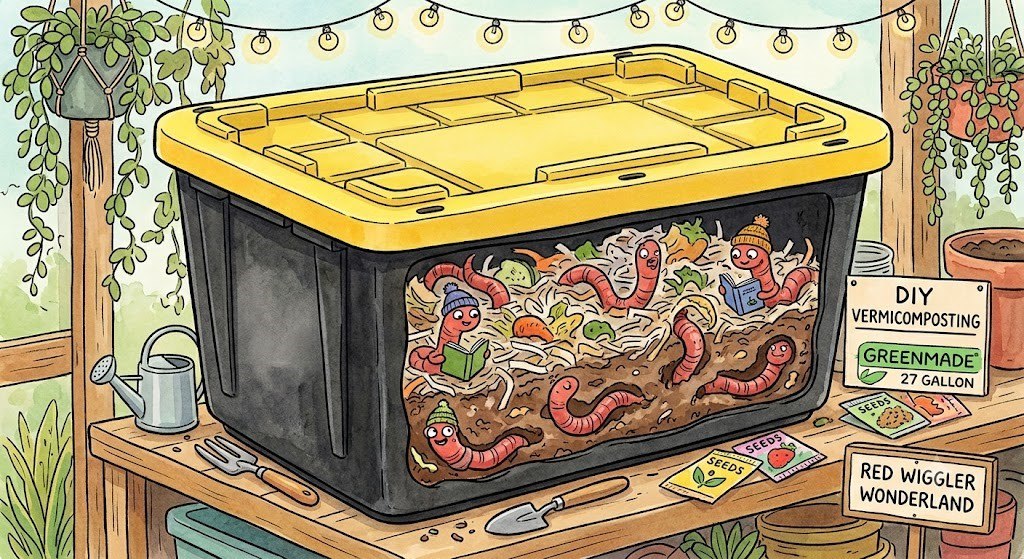
The system is up and running — just add food scraps.
- 1 pound of worms
- Bedding and castings
- Egg shell powder
- Modified Costco tub
Local red wigglers, ready-to-run worm systems, worm tea, and castings for San Diego gardeners.
Text ahead and we will sort your order fresh, set it out near the front door, and send pickup details.
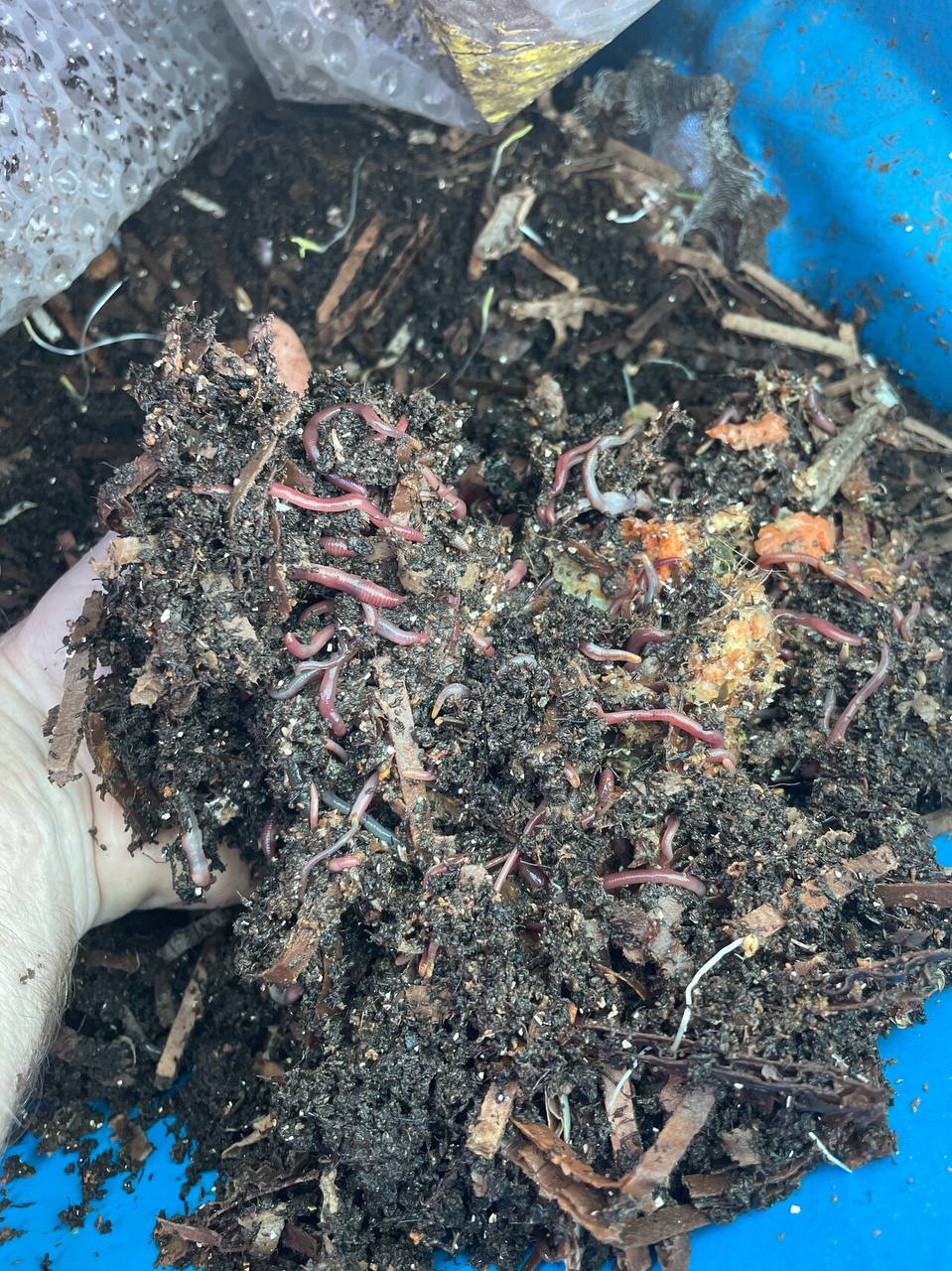
Our worms are raised locally by my kids and me here in San Diego. We sort worms when each order is placed so you get active, healthy worms instead of a random scoop.
The system is up and running — just add food scraps.
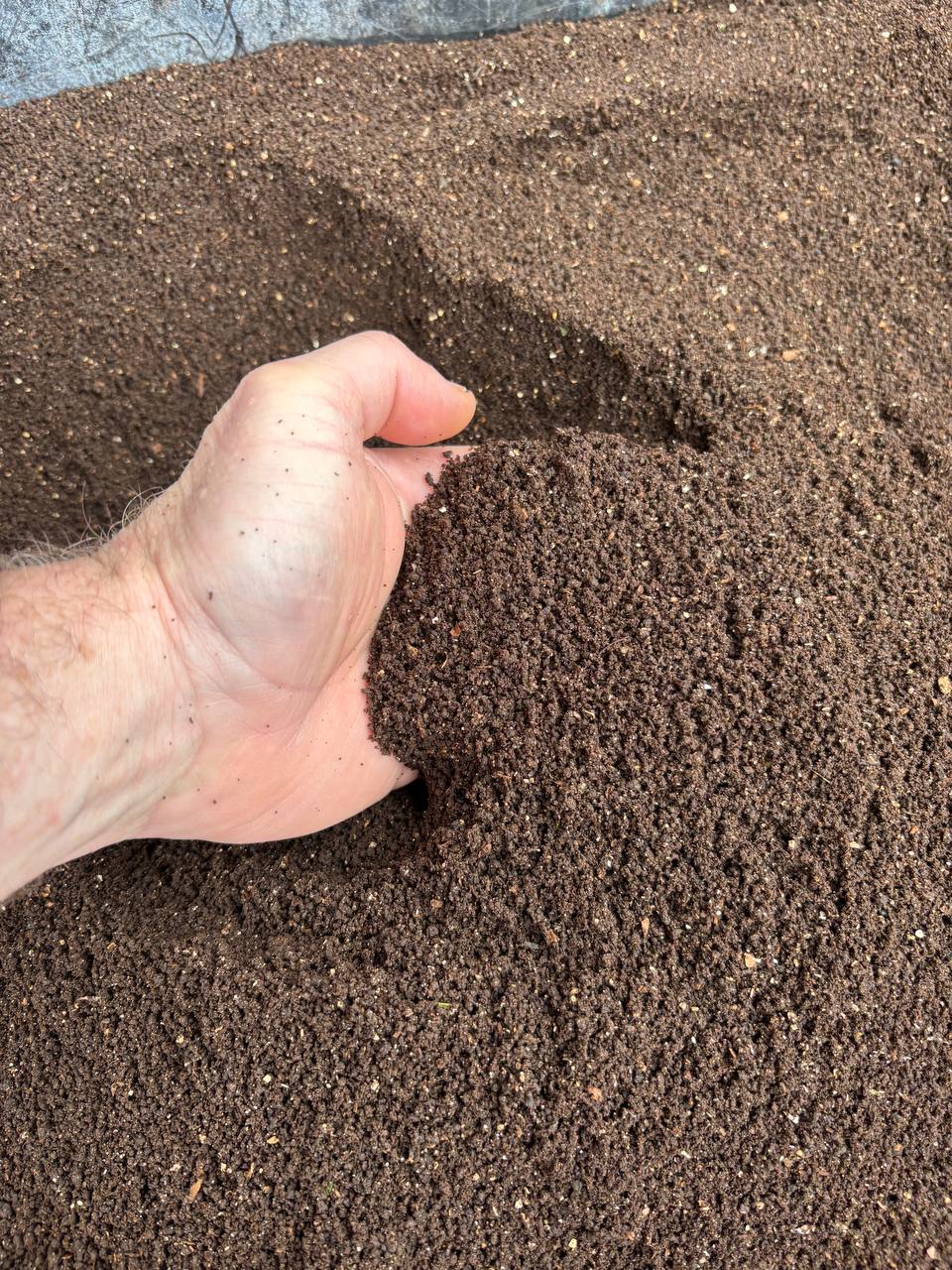
Liquid garden boost from the worm system for beds, starts, and soil support.
Currently out of stock. Text if you want to be notified when castings are available again.
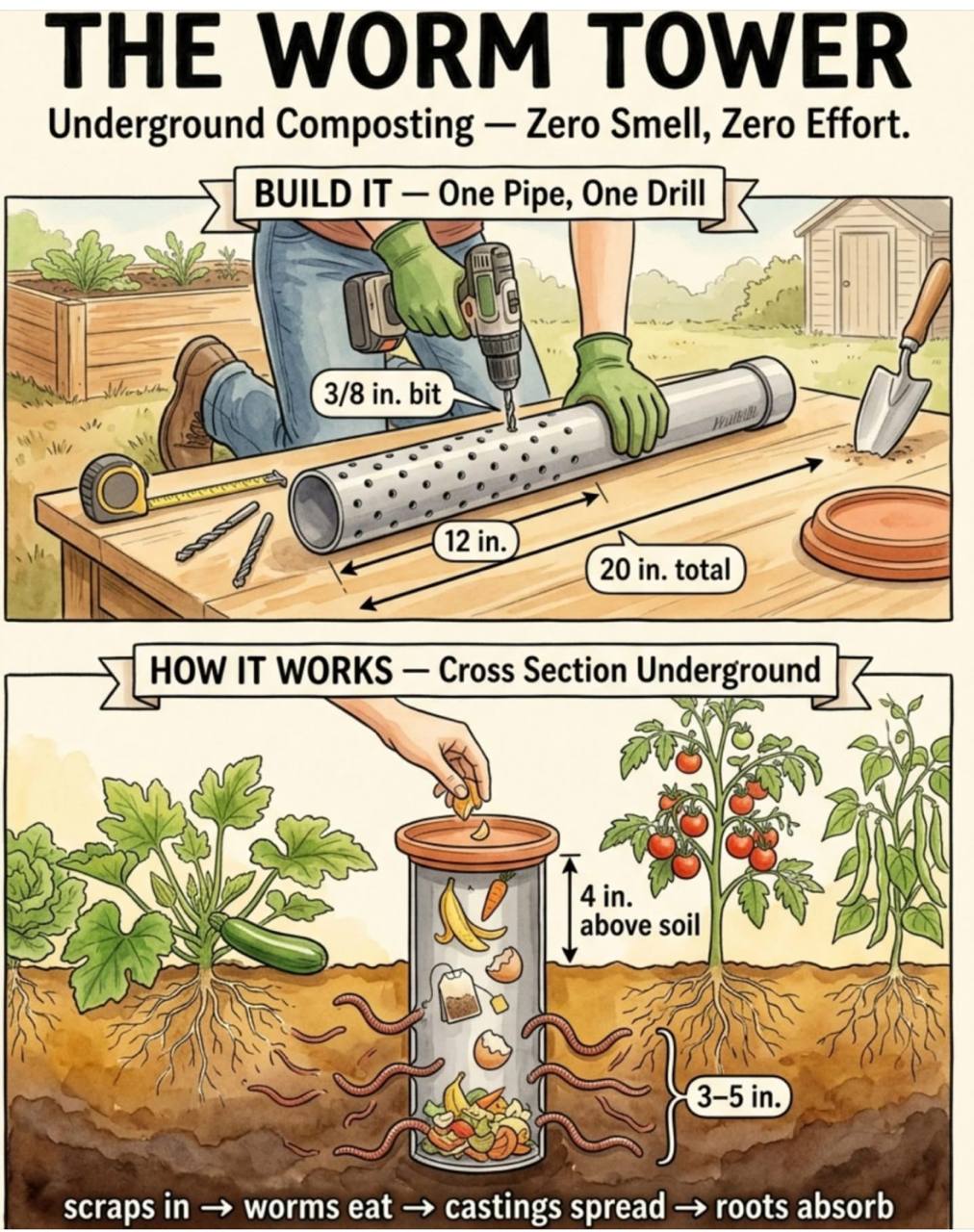
A worm tower is a simple in-ground composting option for garden beds: bury a perforated pipe, add food scraps from the top, and let worms move in and out through the holes.
Keep it simple: moist bedding, small buried feedings, shade, and patience.
Bedding should feel like a wrung-out sponge. If it is dry, mist it. If it is soggy, add shredded paper or cardboard.
Keep bins shaded and protected from heat. Worms do best when the bin stays cool, dark, and breathable.
Red wigglers are composting worms, not deep-soil earthworms. They do best in a mild, shaded bin. If the weather is hot, feed smaller amounts and keep the bin out of direct sun.
Pocket feeding means burying scraps in one corner or small area of the bin instead of spreading food everywhere.
Usually too much food or too much moisture. Stop feeding for a few days, bury exposed scraps, and add shredded cardboard or paper.
Bury food deeper, cover the top with dry bedding, and avoid leaving sweet scraps exposed.
Feed less and chop scraps smaller. Worms eat softened, decomposing food faster than large fresh chunks.
Check moisture, heat, and acidity. Keep the bin shaded, bedding damp but not soggy, and avoid big acidic feedings.
Worms turn kitchen scraps into castings: a rich soil amendment for garden beds, starts, pots, and fruit trees.
Castings add organic matter, improve soil texture, and support stronger root zones. Use a thin layer around plants or mix into potting soil.
Worm tea is a liquid garden boost. Use it around established plants, starts, and beds when you want a gentle soil-support feed.
Food scraps in a landfill can create methane. Worm composting keeps some of that material at home and turns it into something useful.
Scraps feed worms, worms make castings, castings feed soil, and the soil grows more plants. It is a simple local cycle.
Payment: @jeffery-veomett or cash in the mailbox.
If you are new to worms, text what you are trying to do: small kitchen bin, garden bed, worm tower, or full system. We can point you to the easiest starting option.
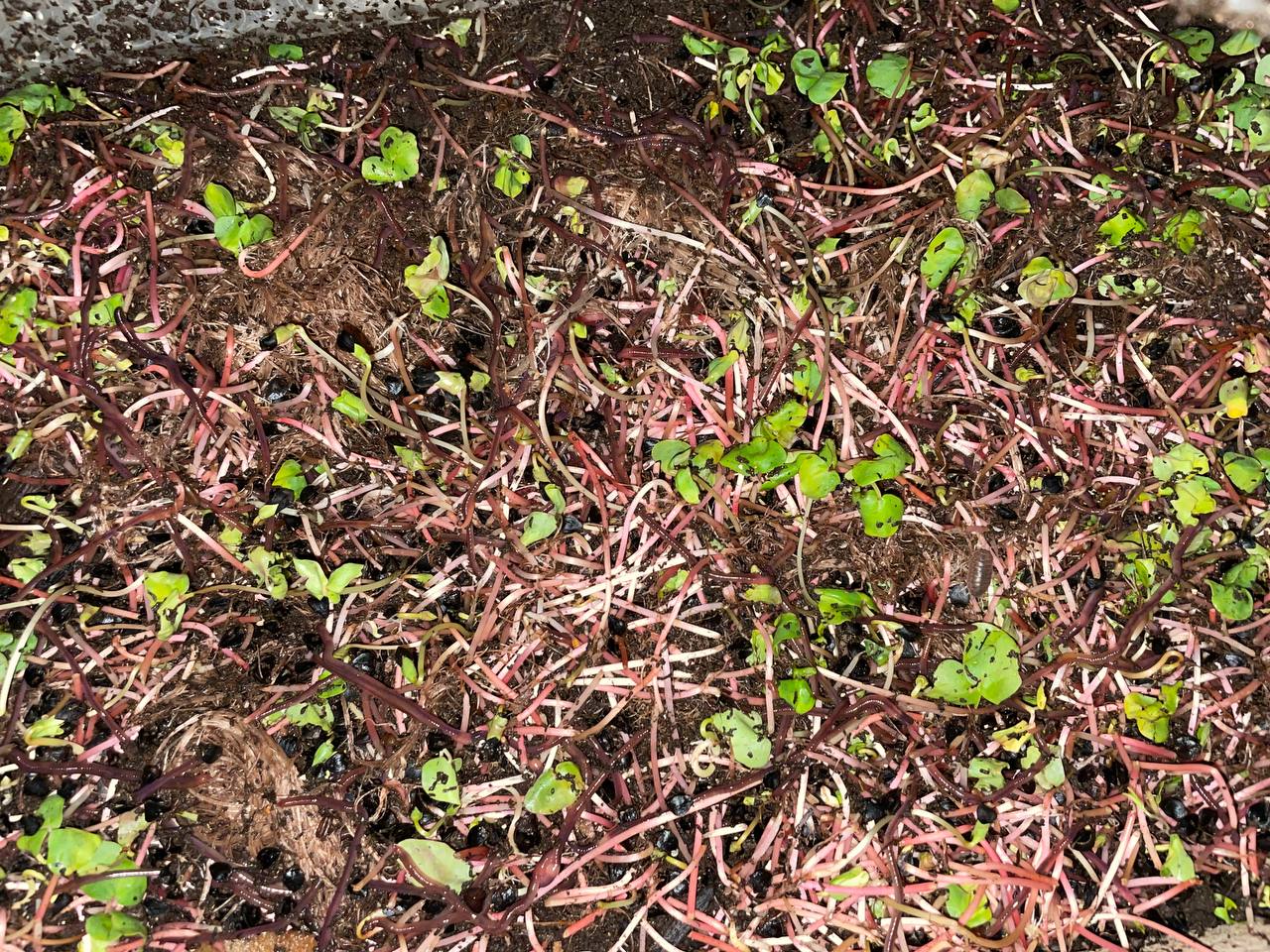
Pick the numbers you want for Red Wigglers, Full Setup, Worm Tea, and Castings. These are listed temporarily so we can choose the best images.
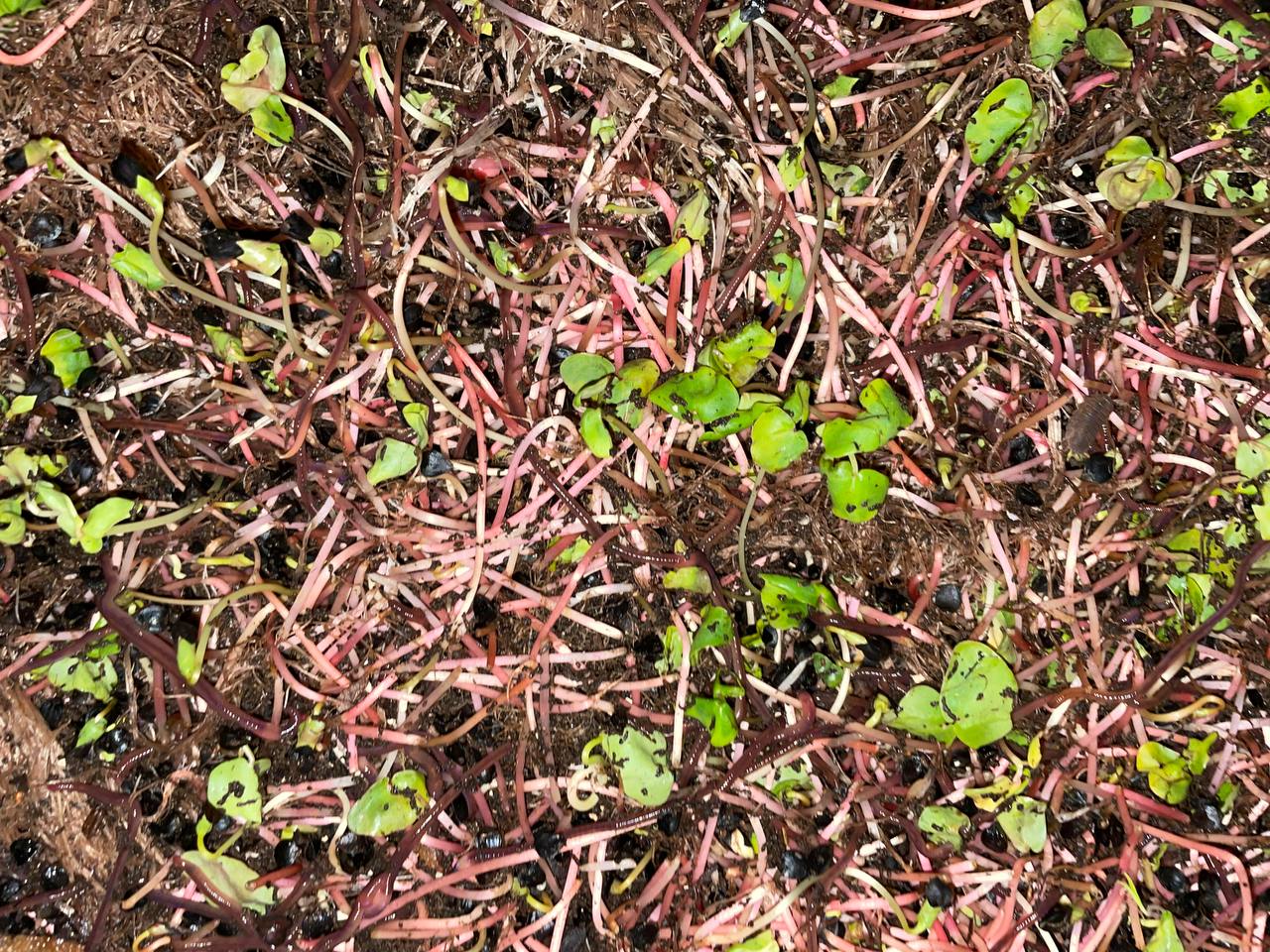
1. apple-feed-bin.jpg
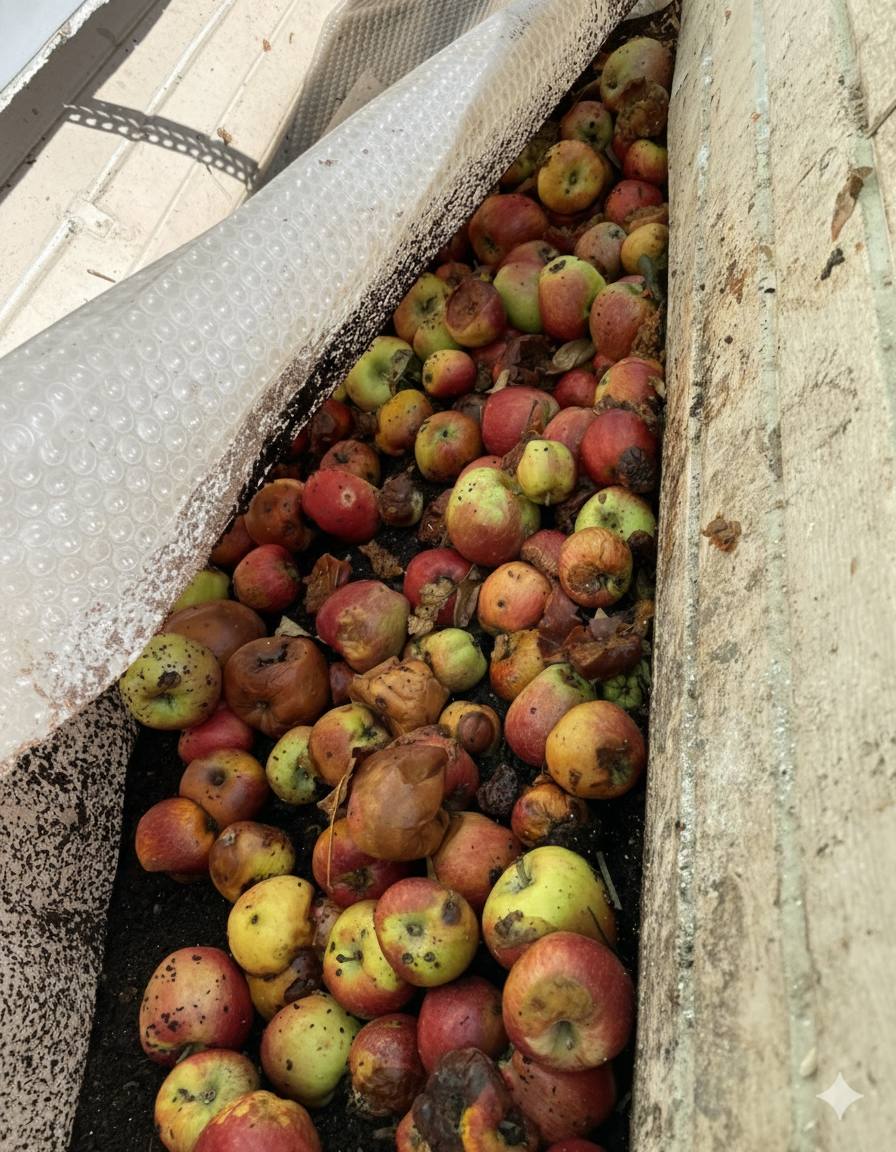
2. apple-feed.jpg
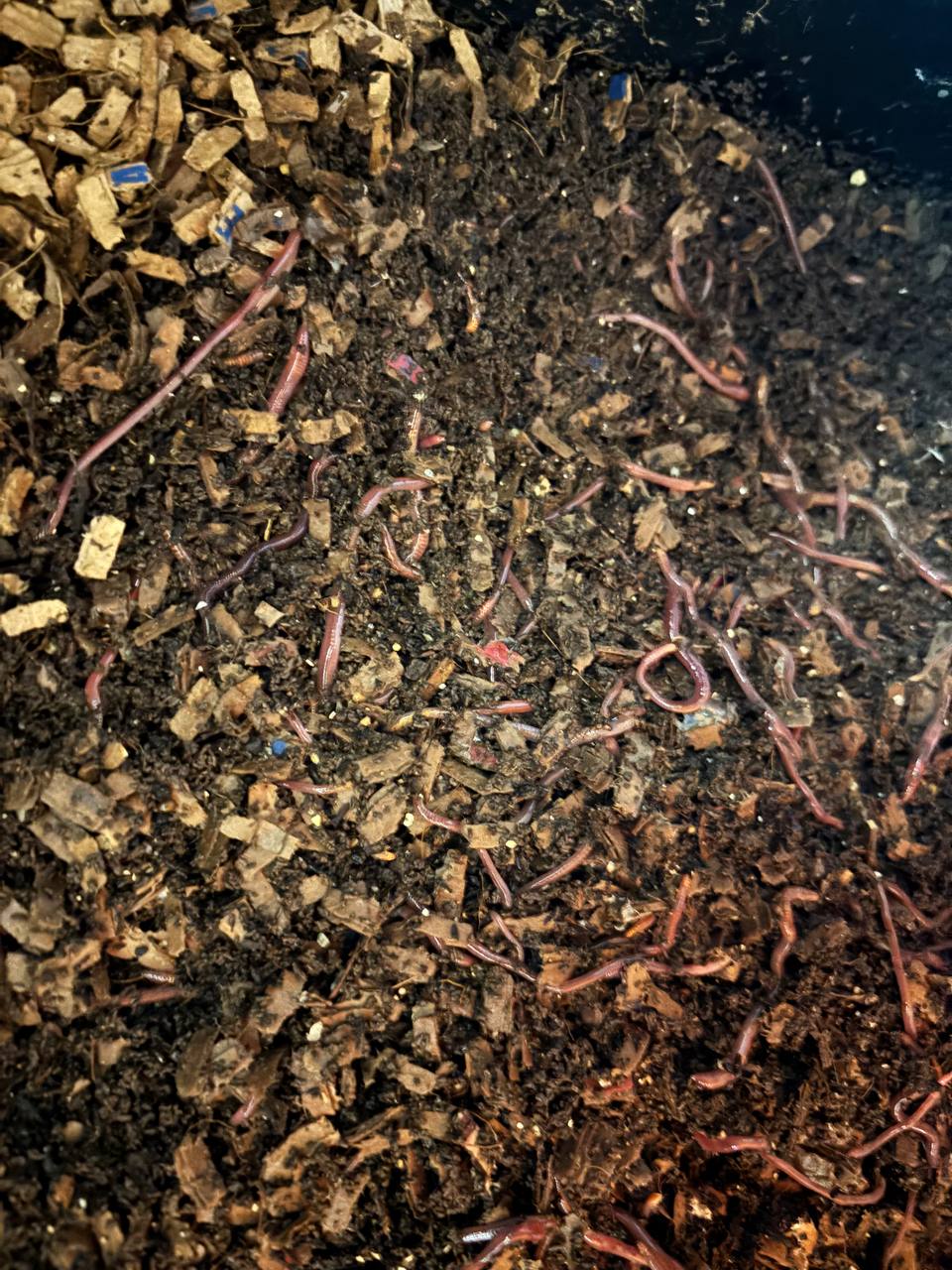
3. bin-detail-1.jpg
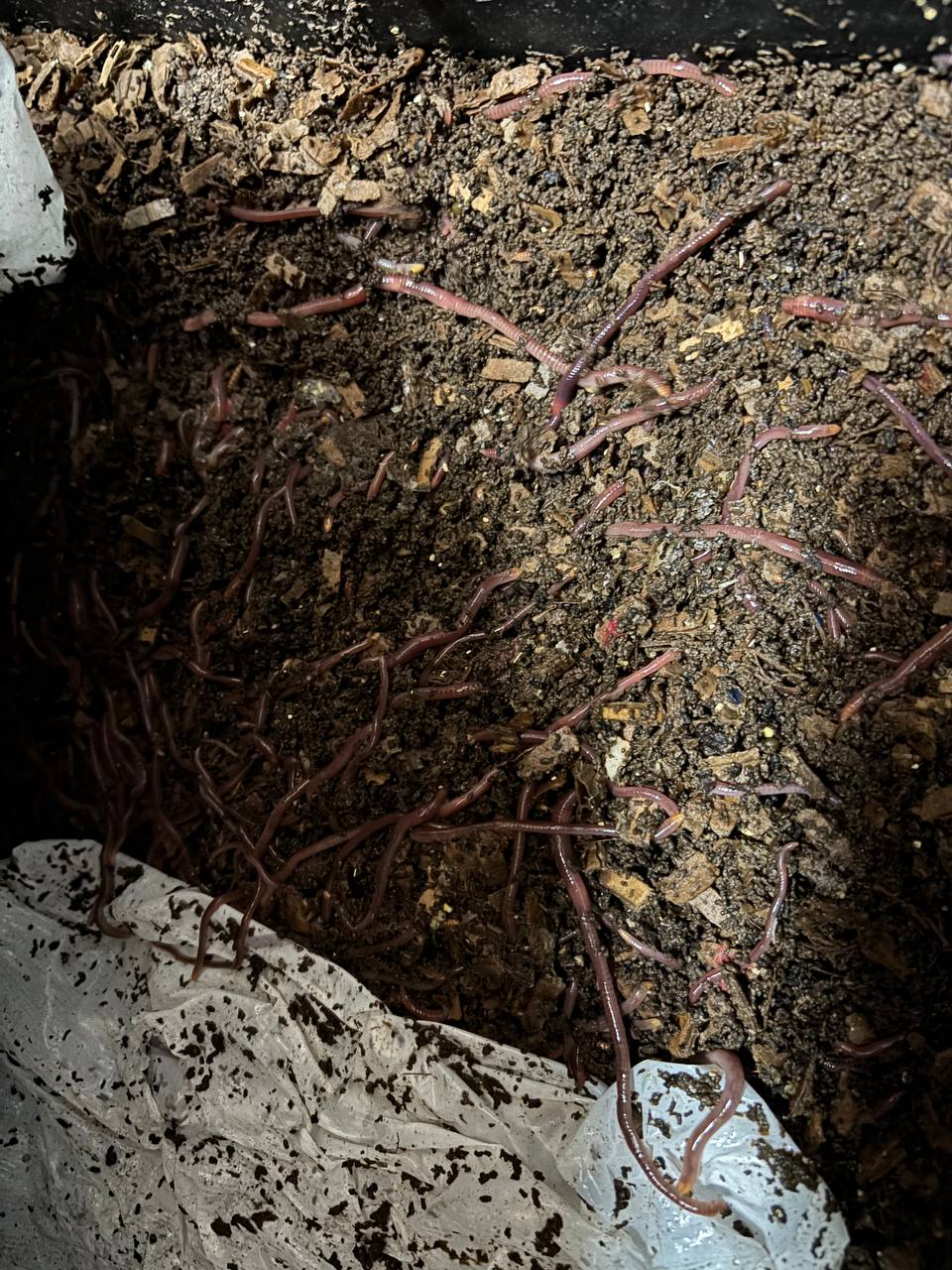
4. bin-detail-2.jpg
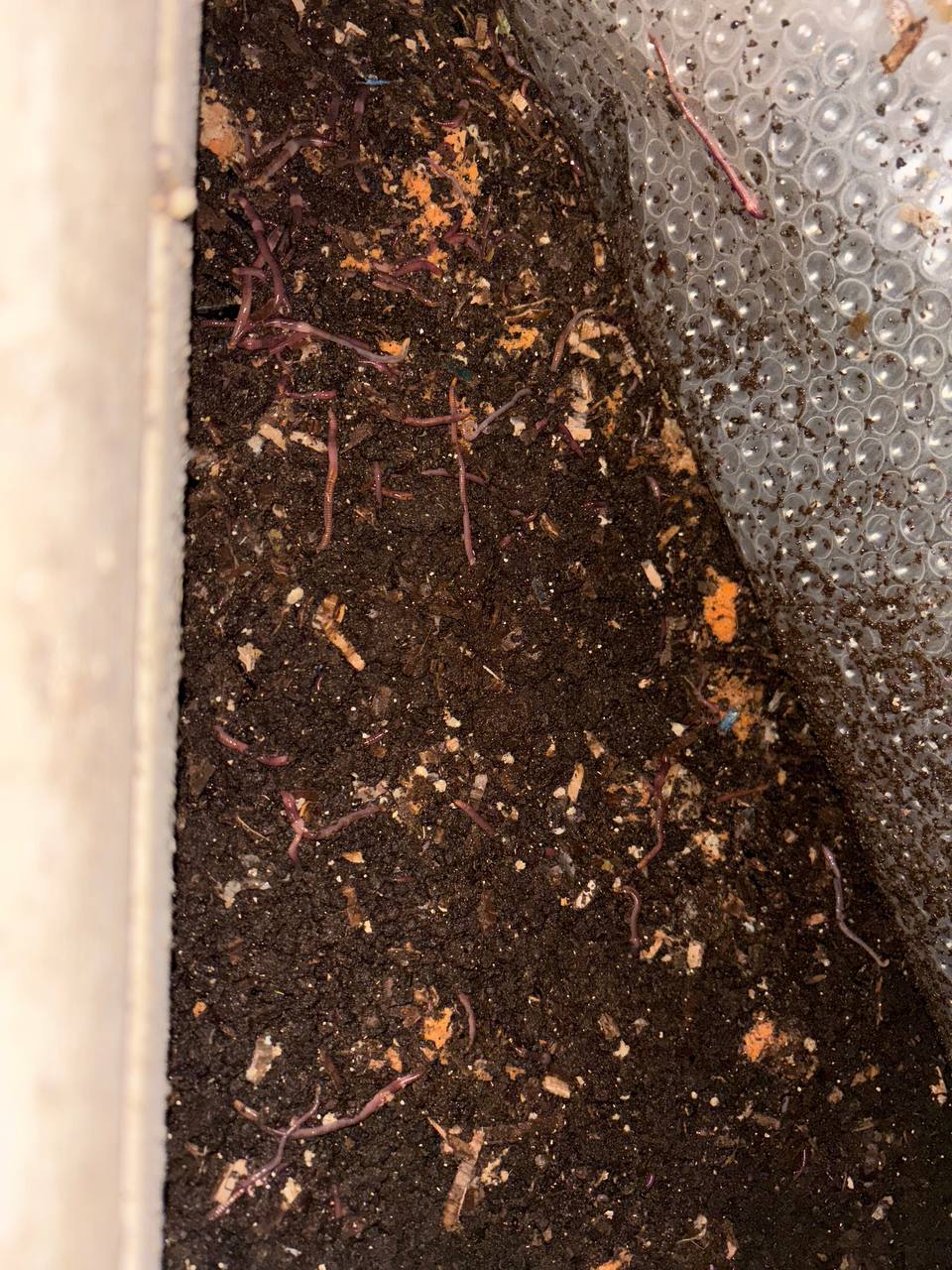
5. bin-detail-3.jpg
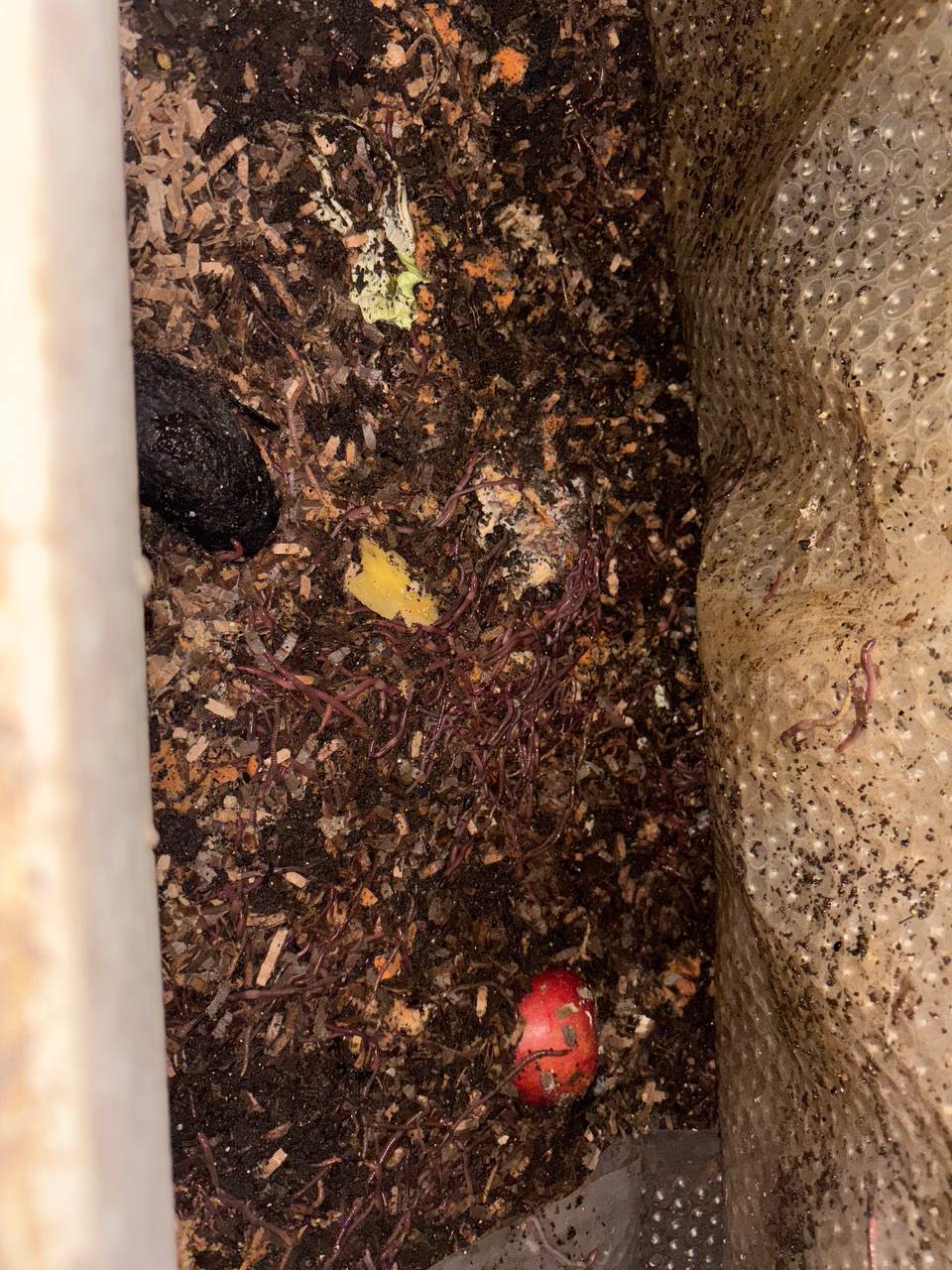
6. bin-feed-1.jpg
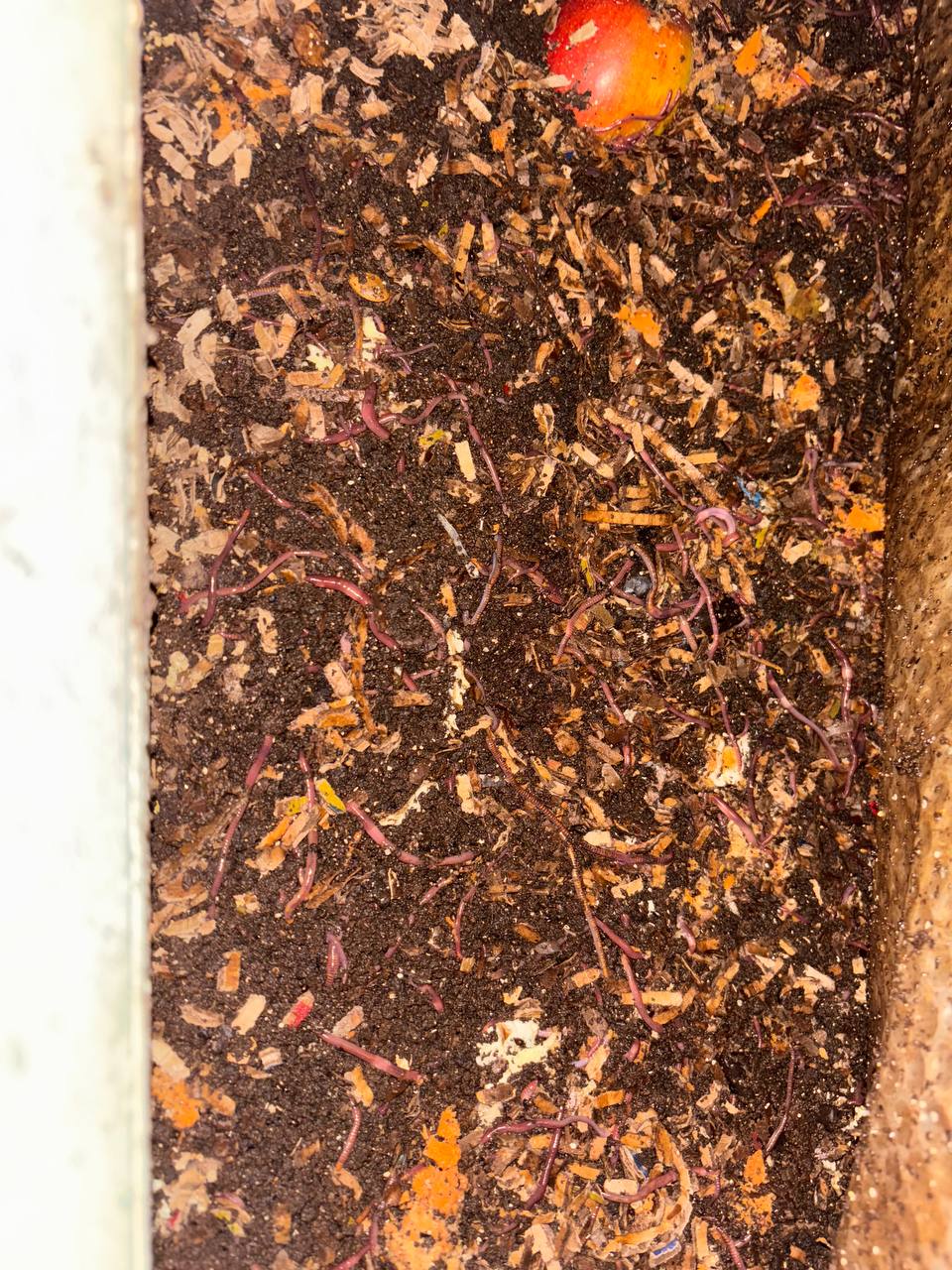
7. bin-feed-2.jpg
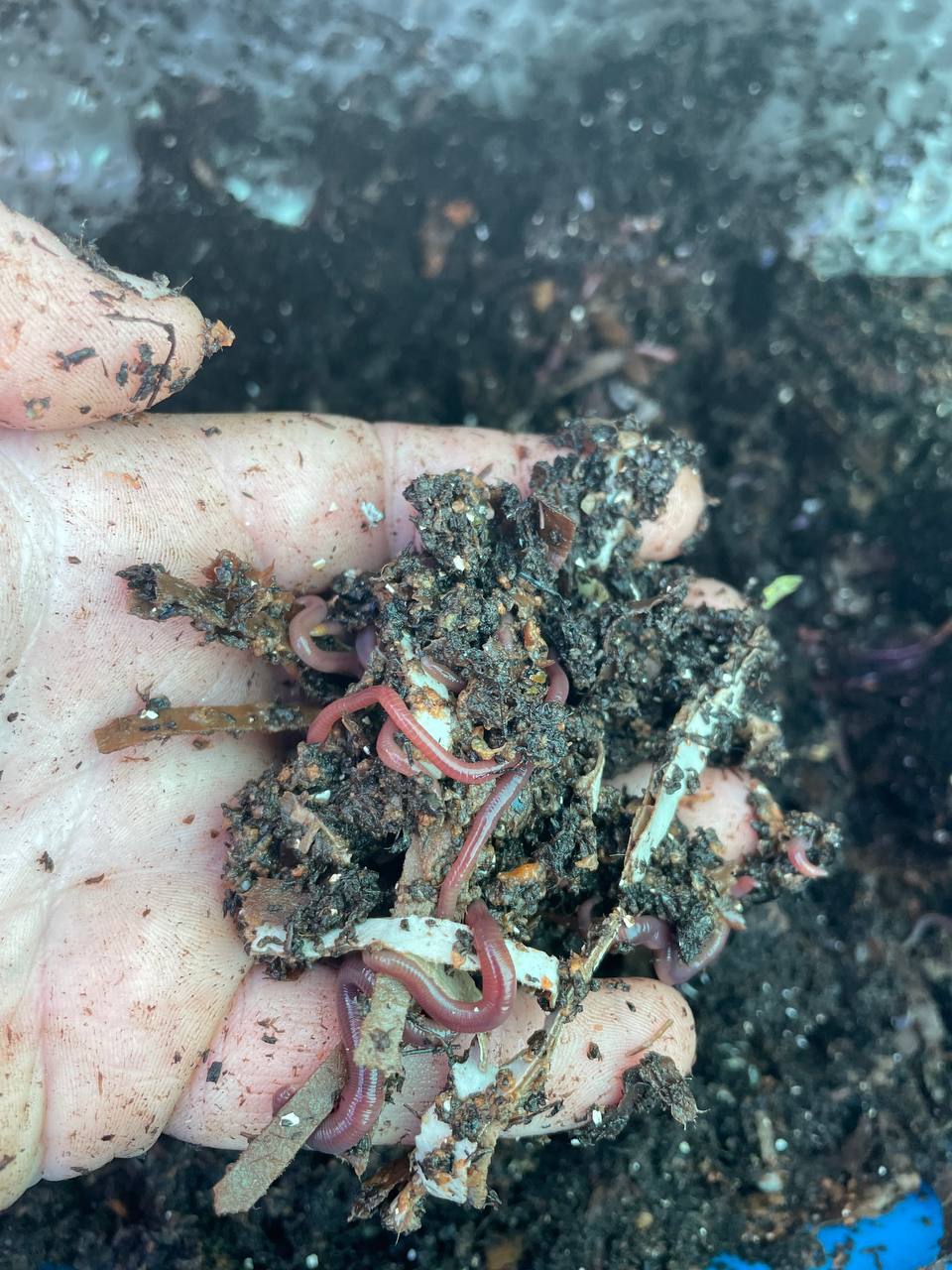
8. bin-surface-wide-2.jpg
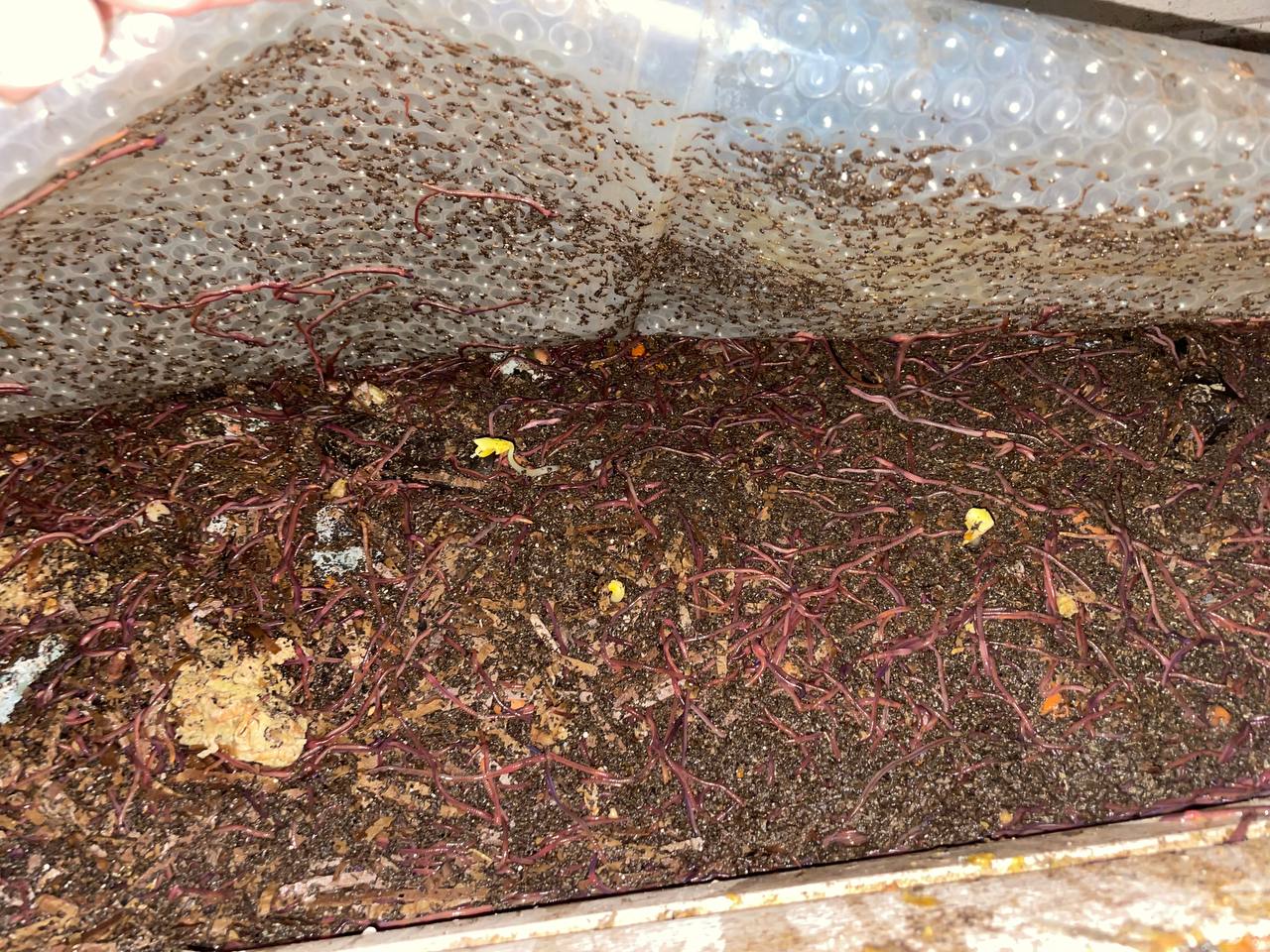
9. bin-surface-wide.jpg
10. castings-hand.jpg
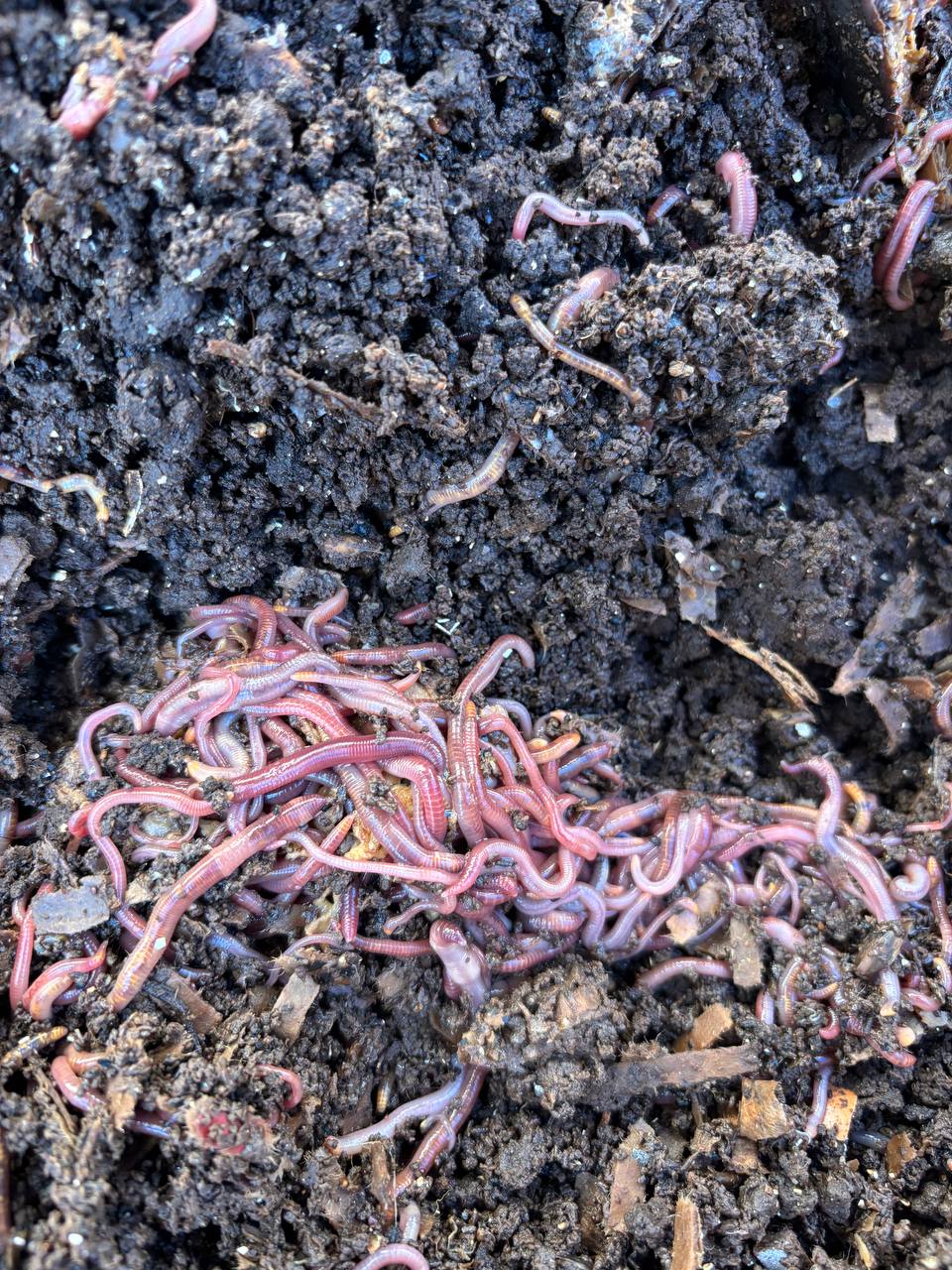
11. cluster-closeup.jpg
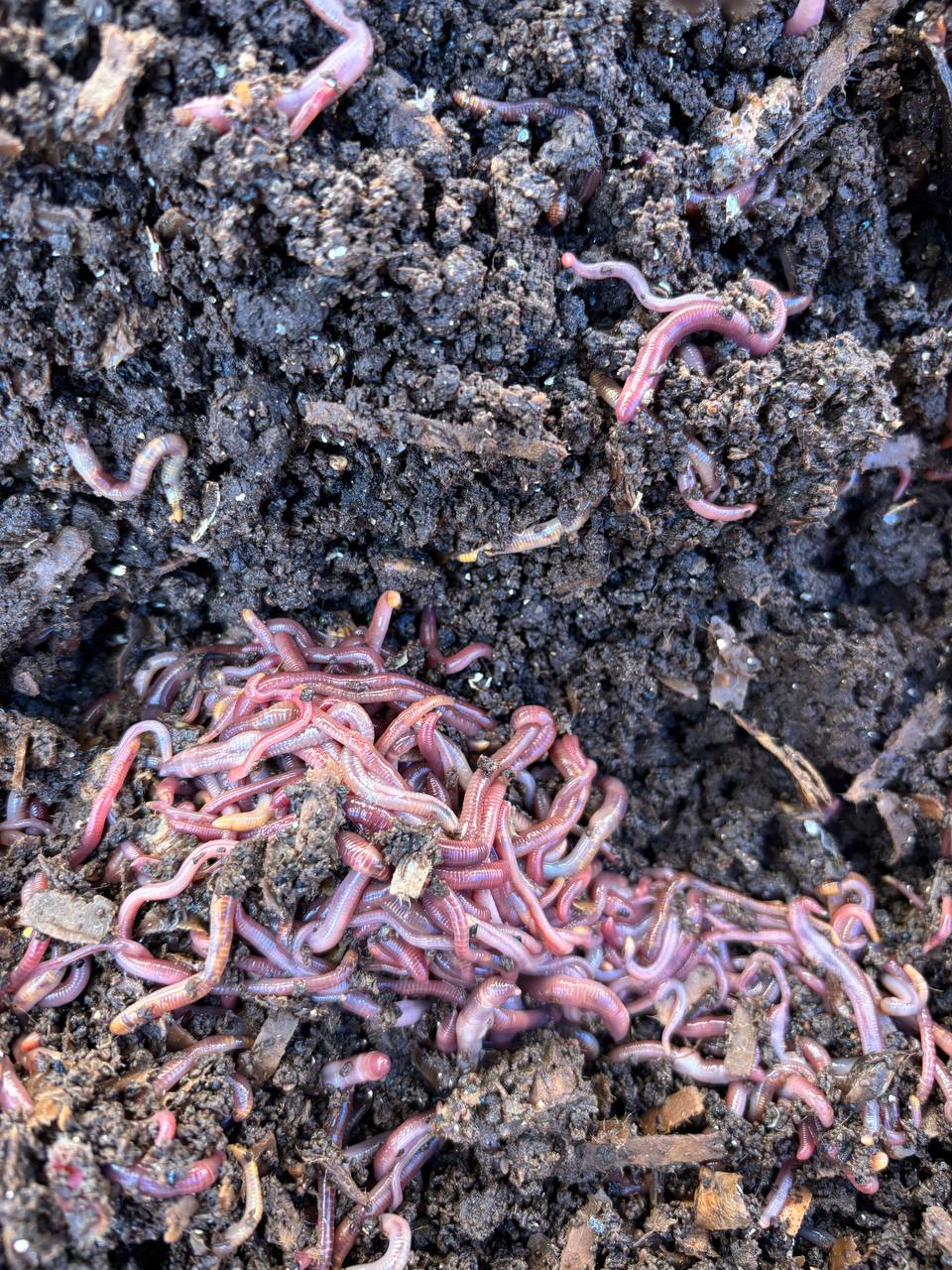
12. cluster-pile-1.jpg
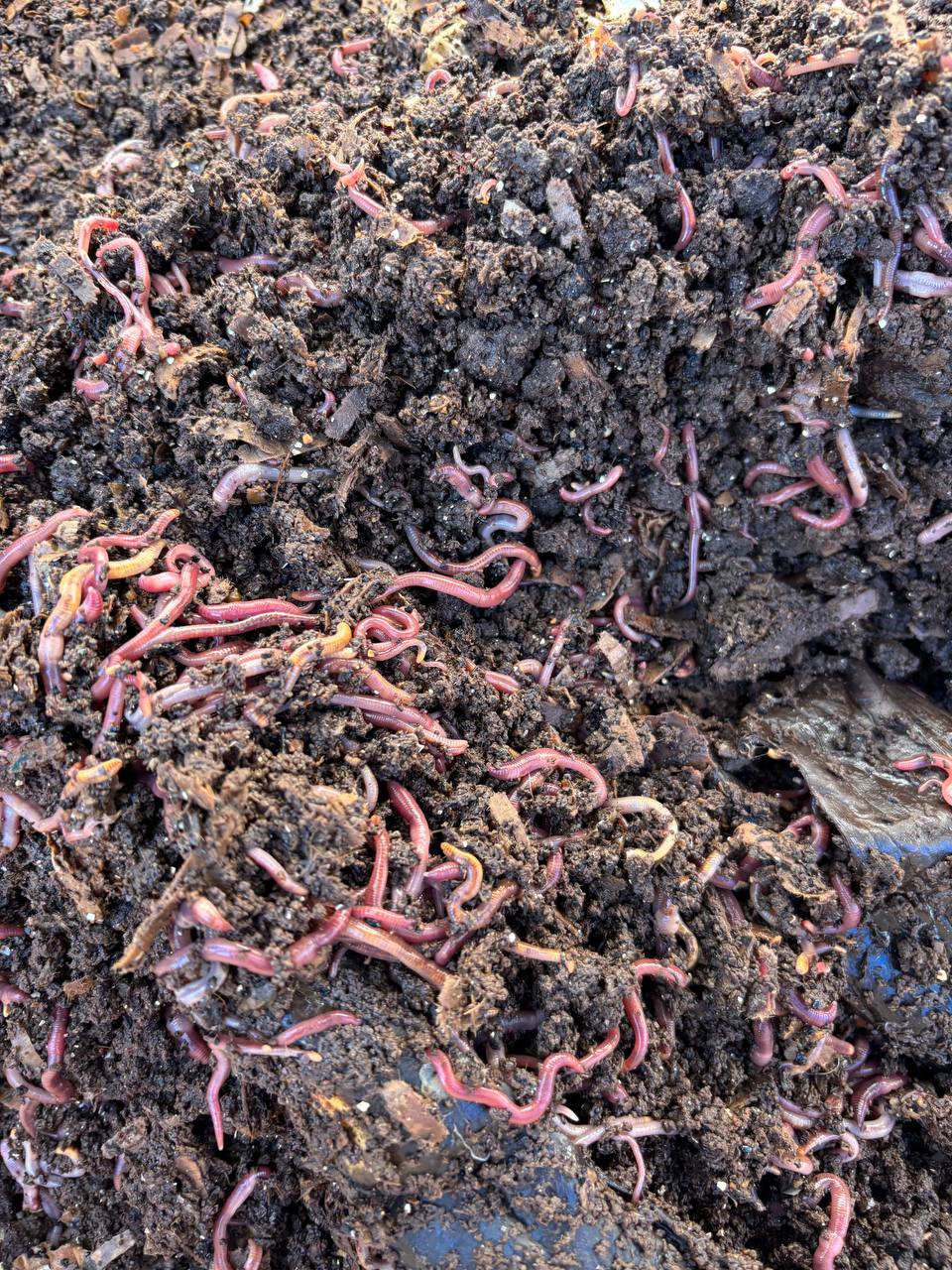
13. cluster-pile-2.jpg
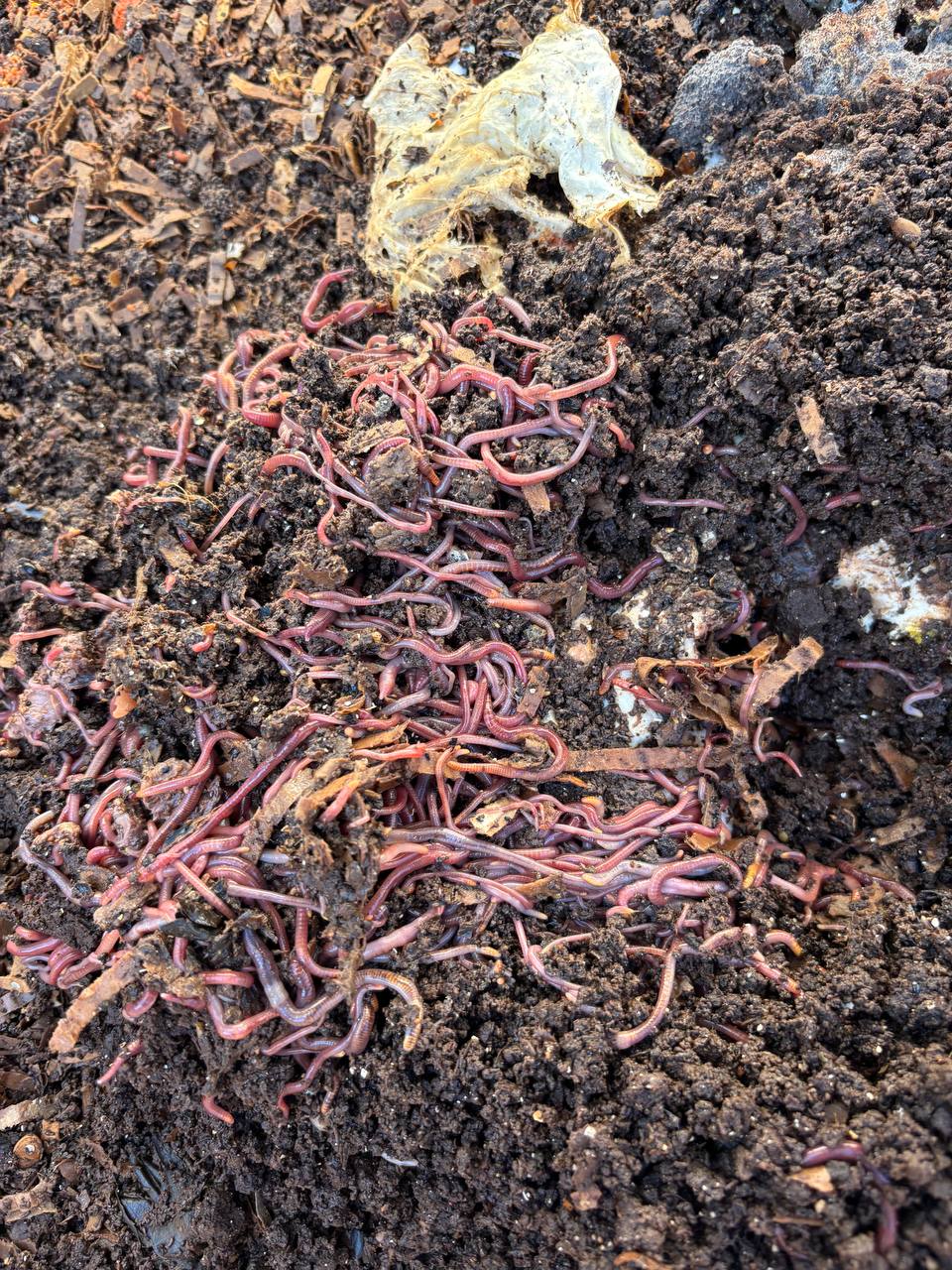
14. cluster-pile-3.jpg
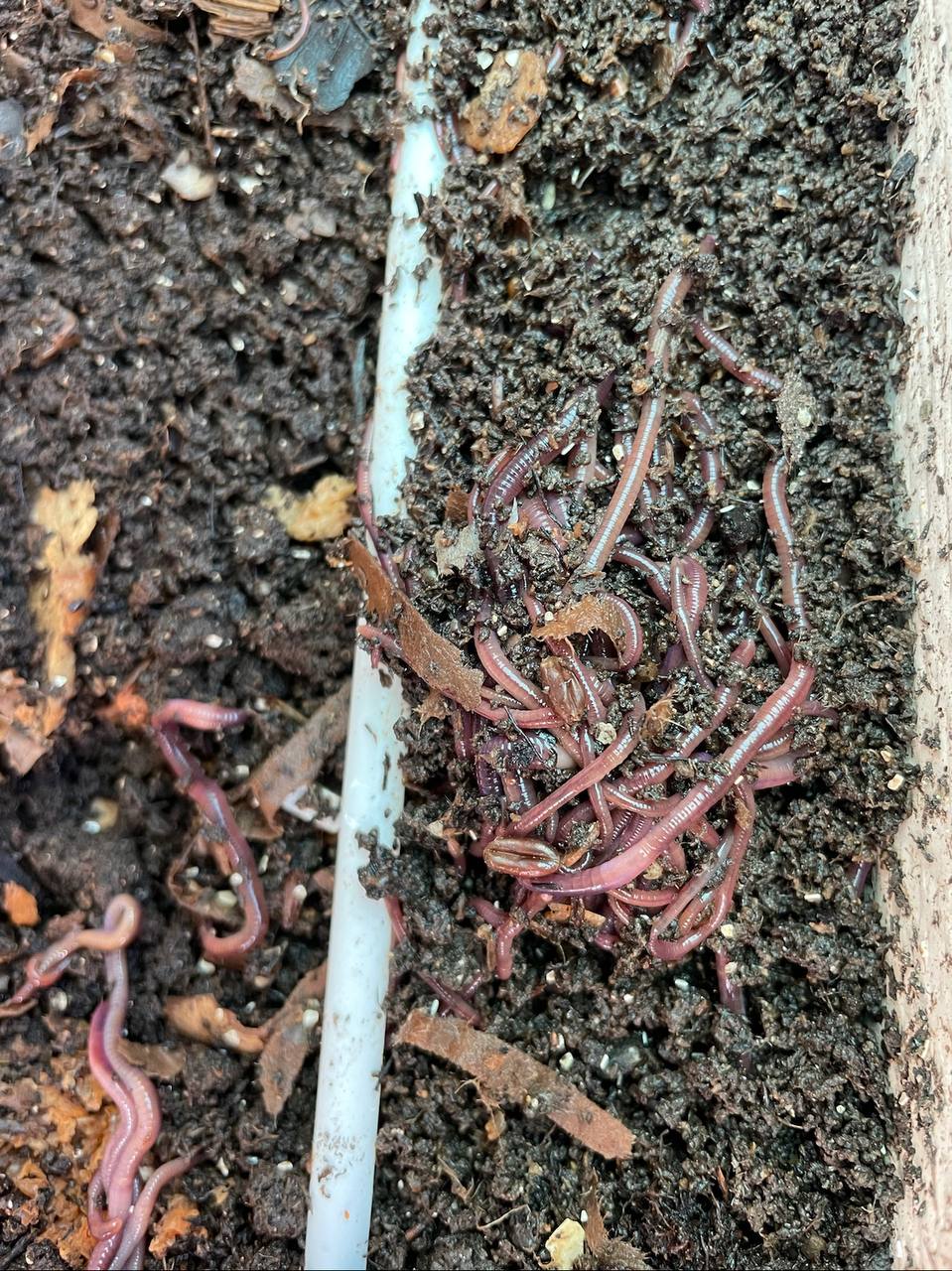
15. divider-worms.jpg
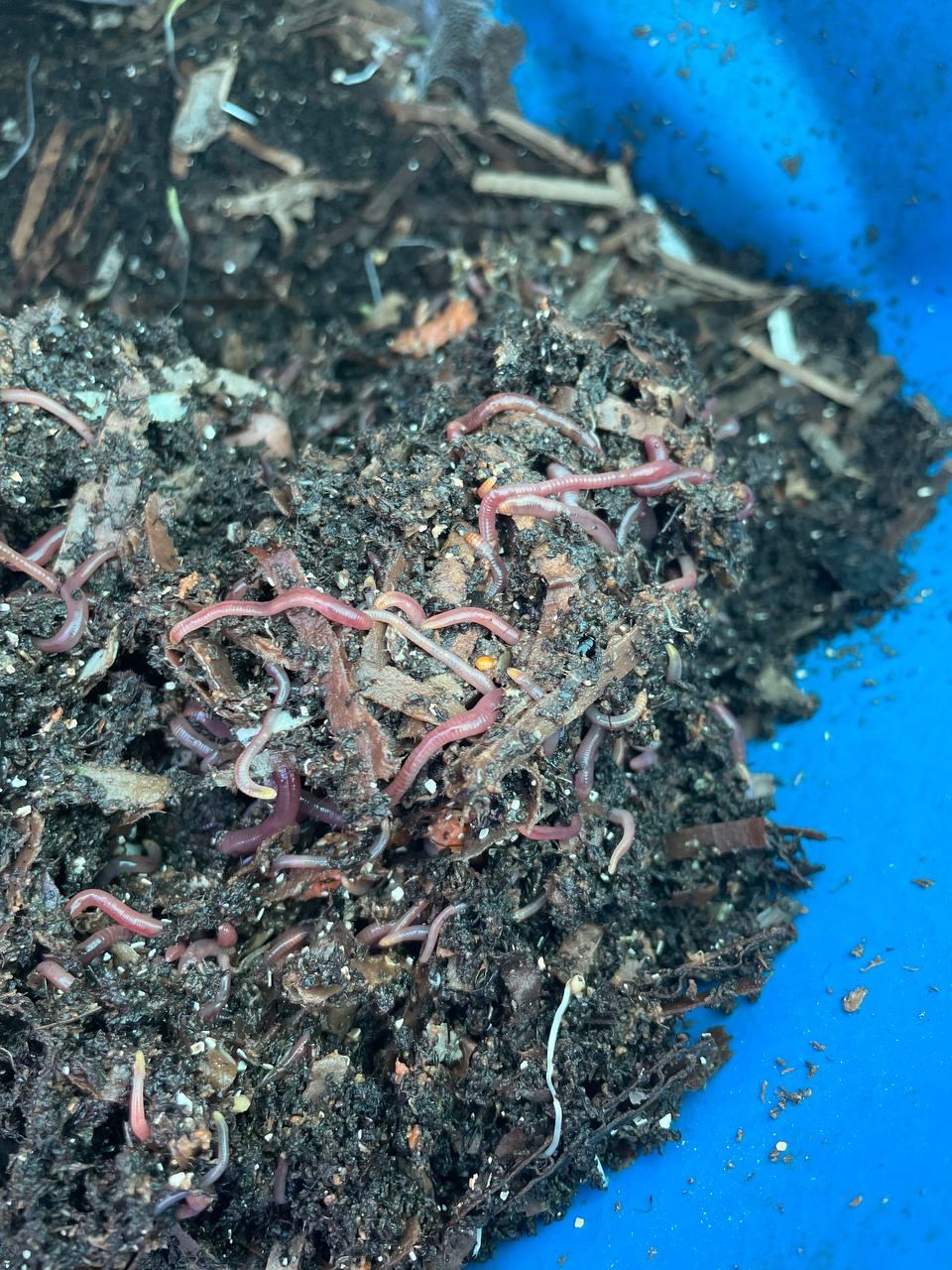
16. fruit-scraps-mixed-2.jpg
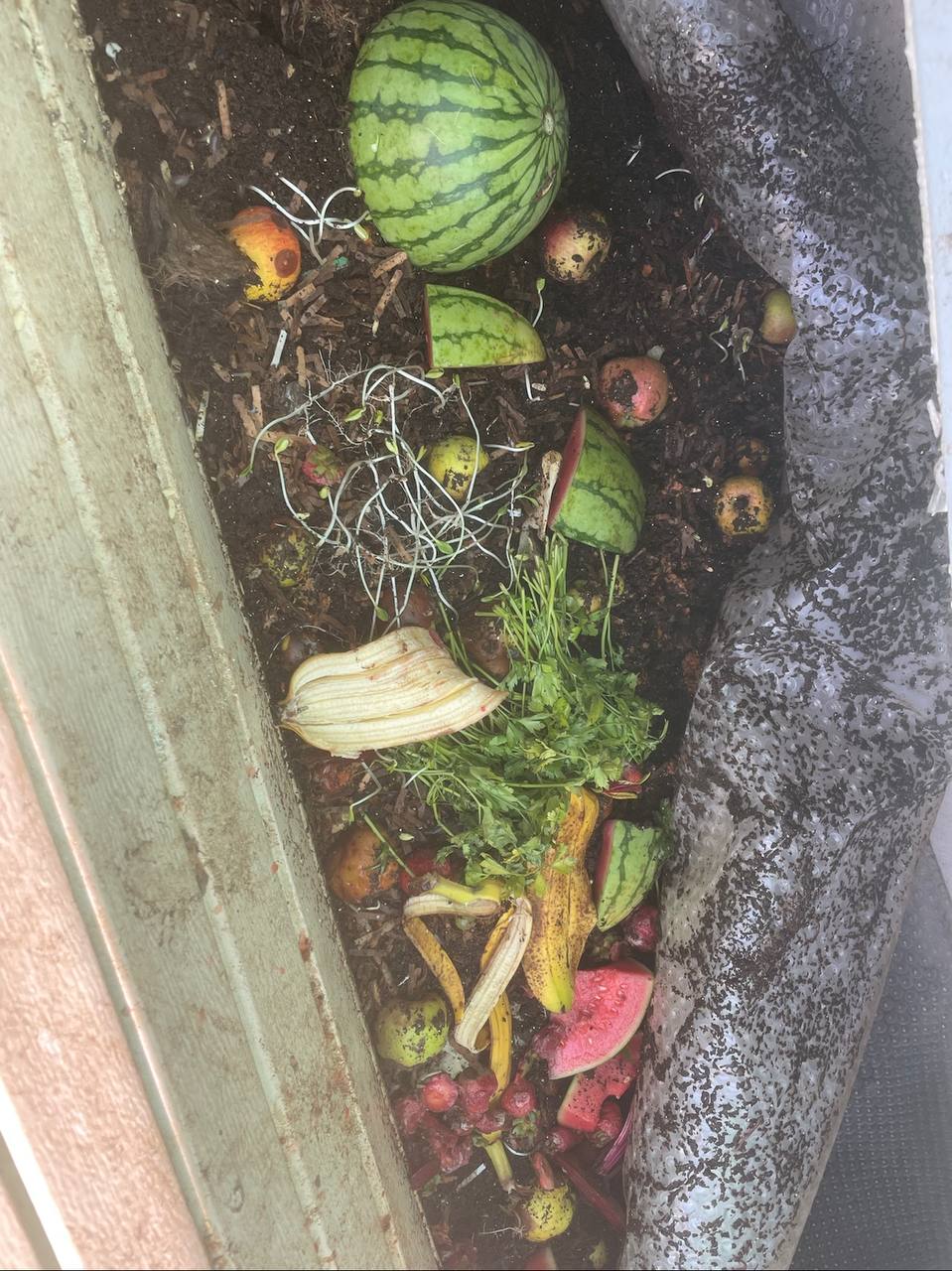
17. fruit-scraps-mixed.jpg
18. full-setup-worm-bin-illustration.jpg
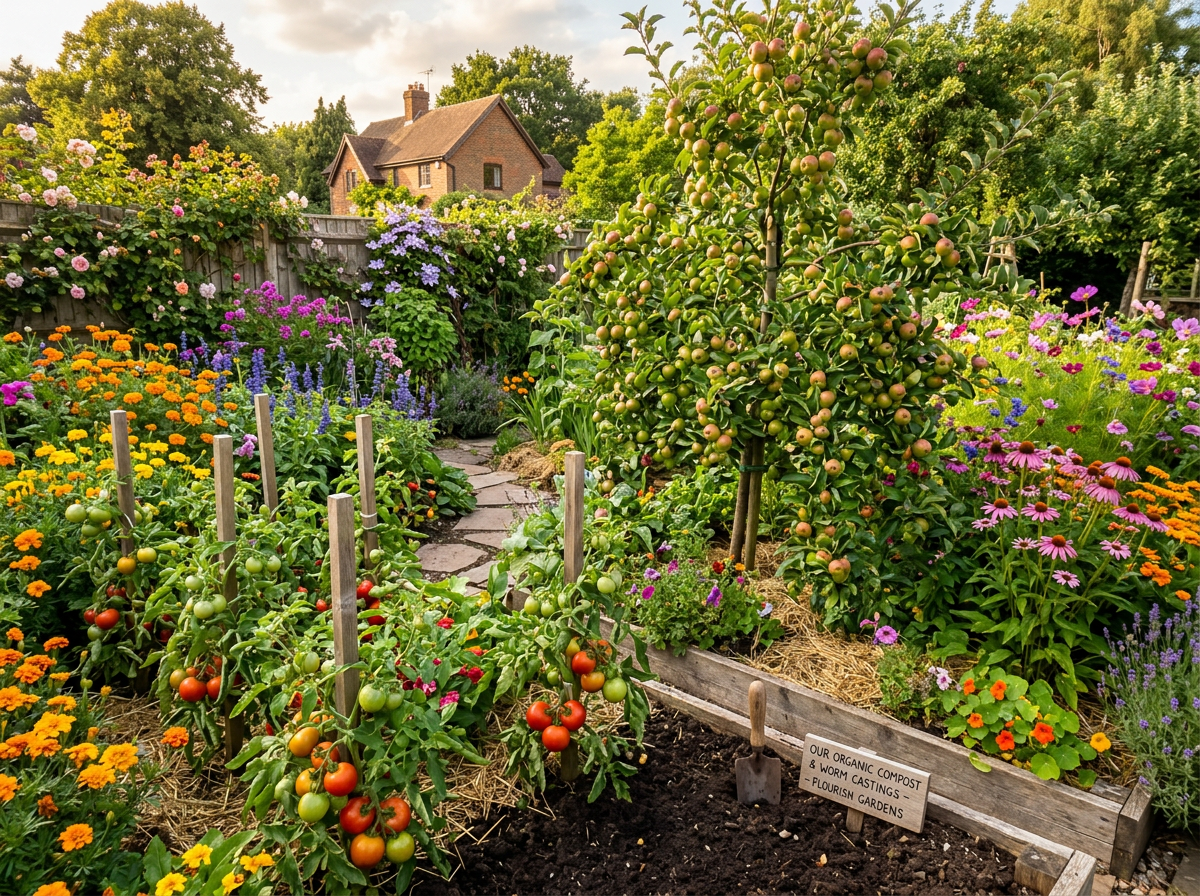
19. garden-flowers.png
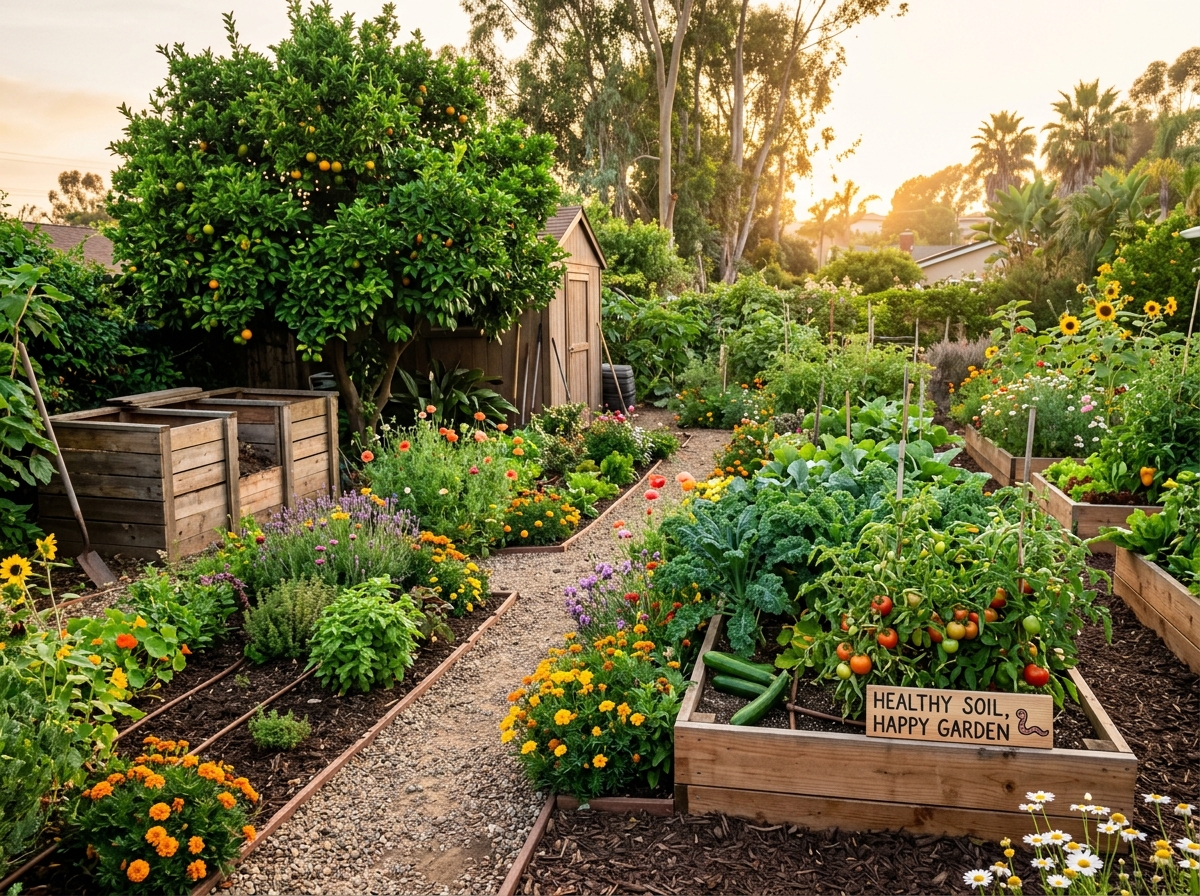
20. garden-fruit-tree.jpg
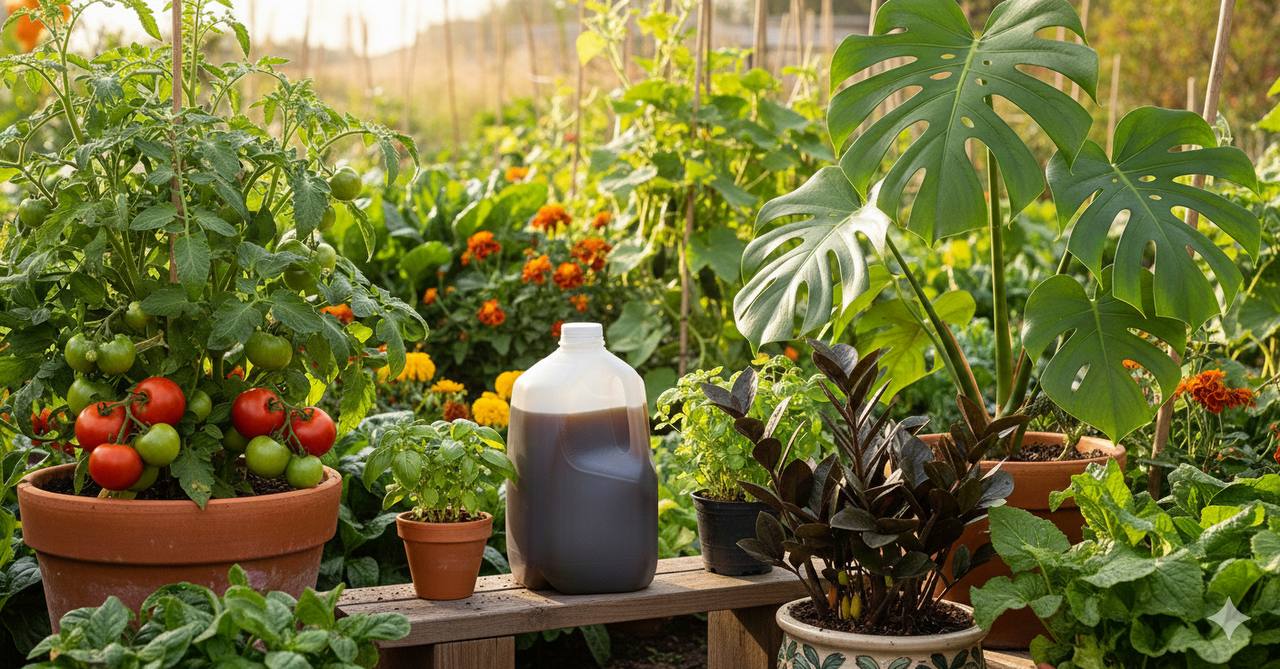
21. garden-tea.jpg
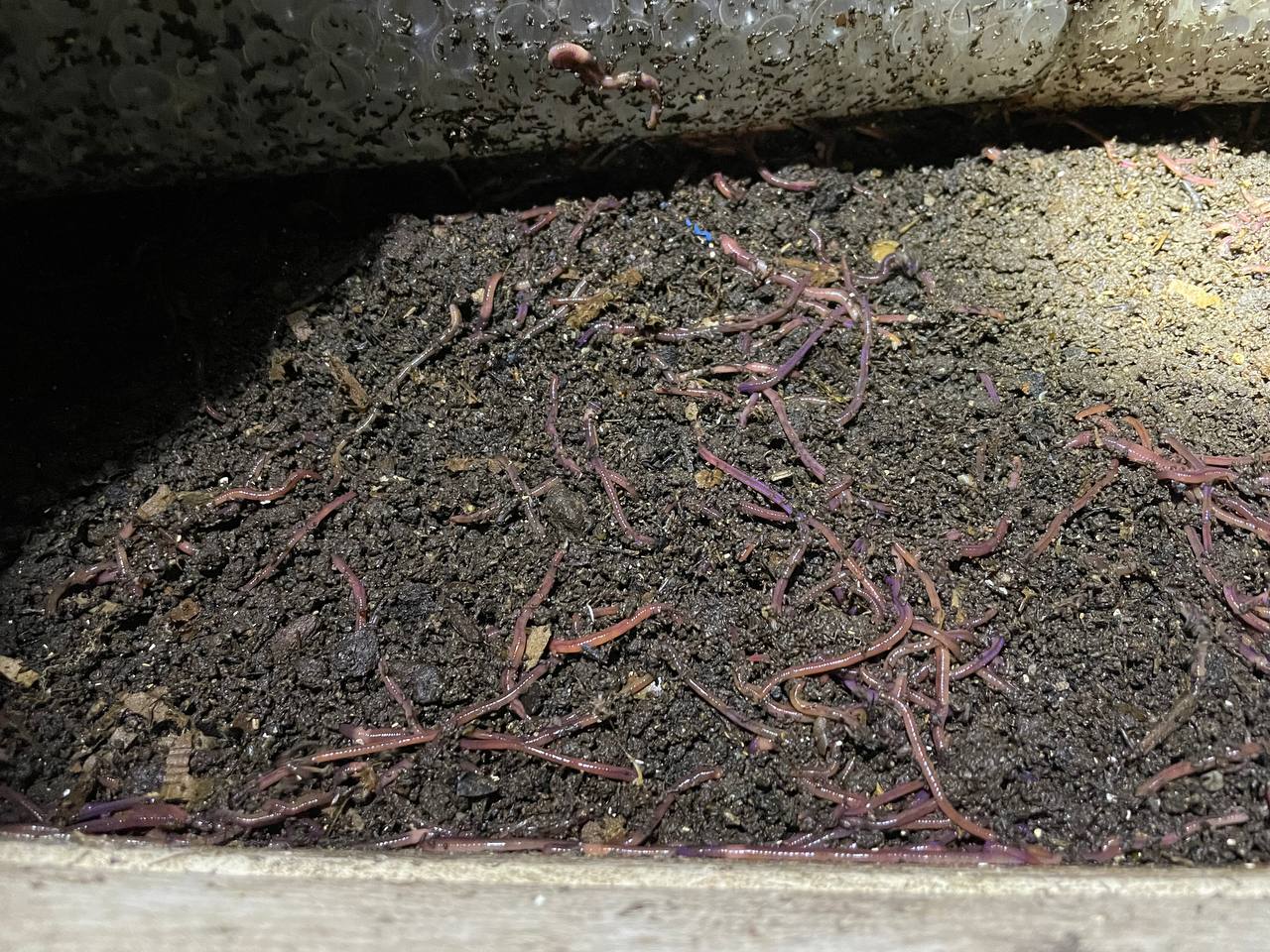
22. hand-sample-worms.jpg
23. handful-castings-worms-1.jpg
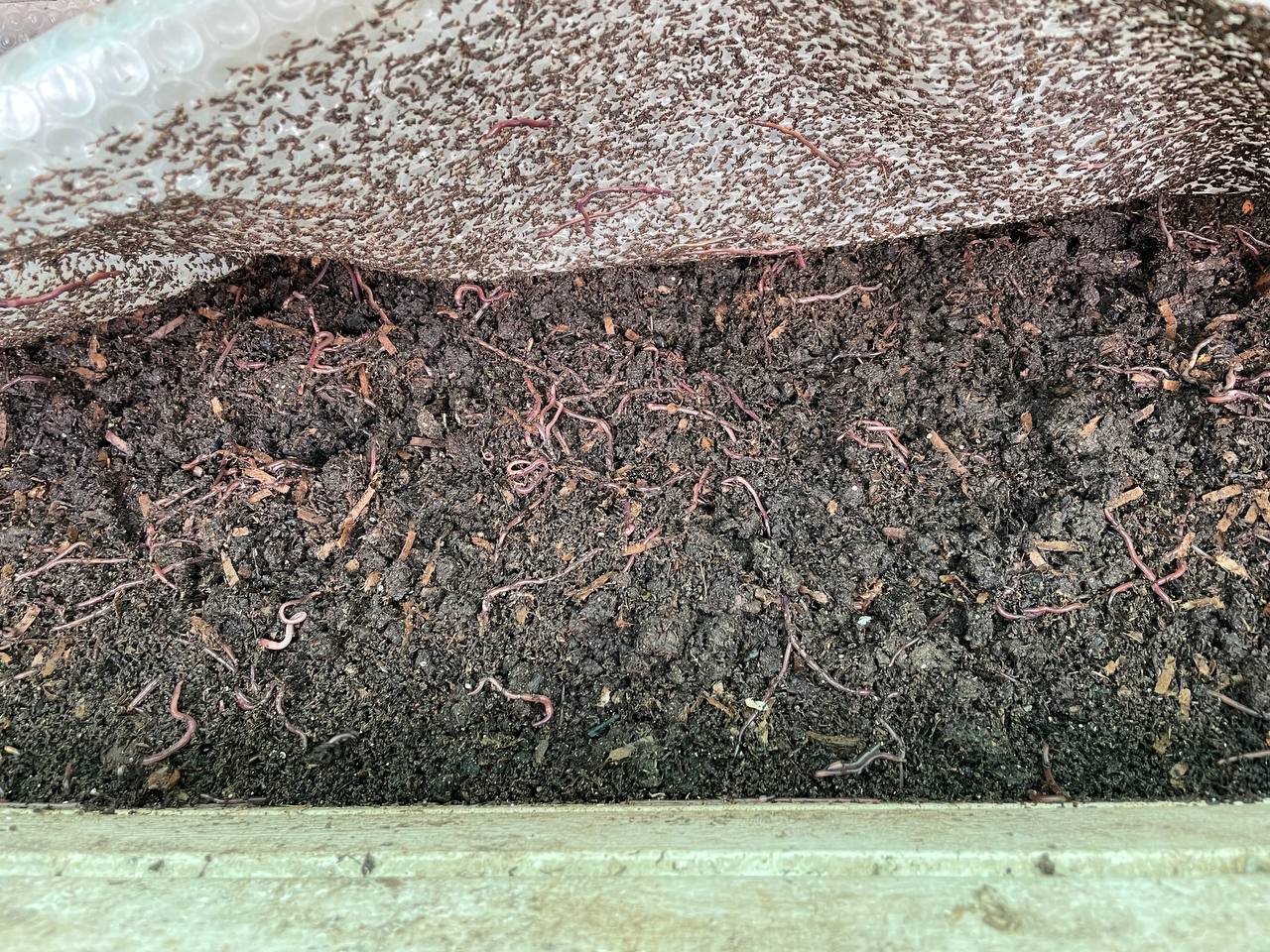
24. handful-castings-worms-2.jpg
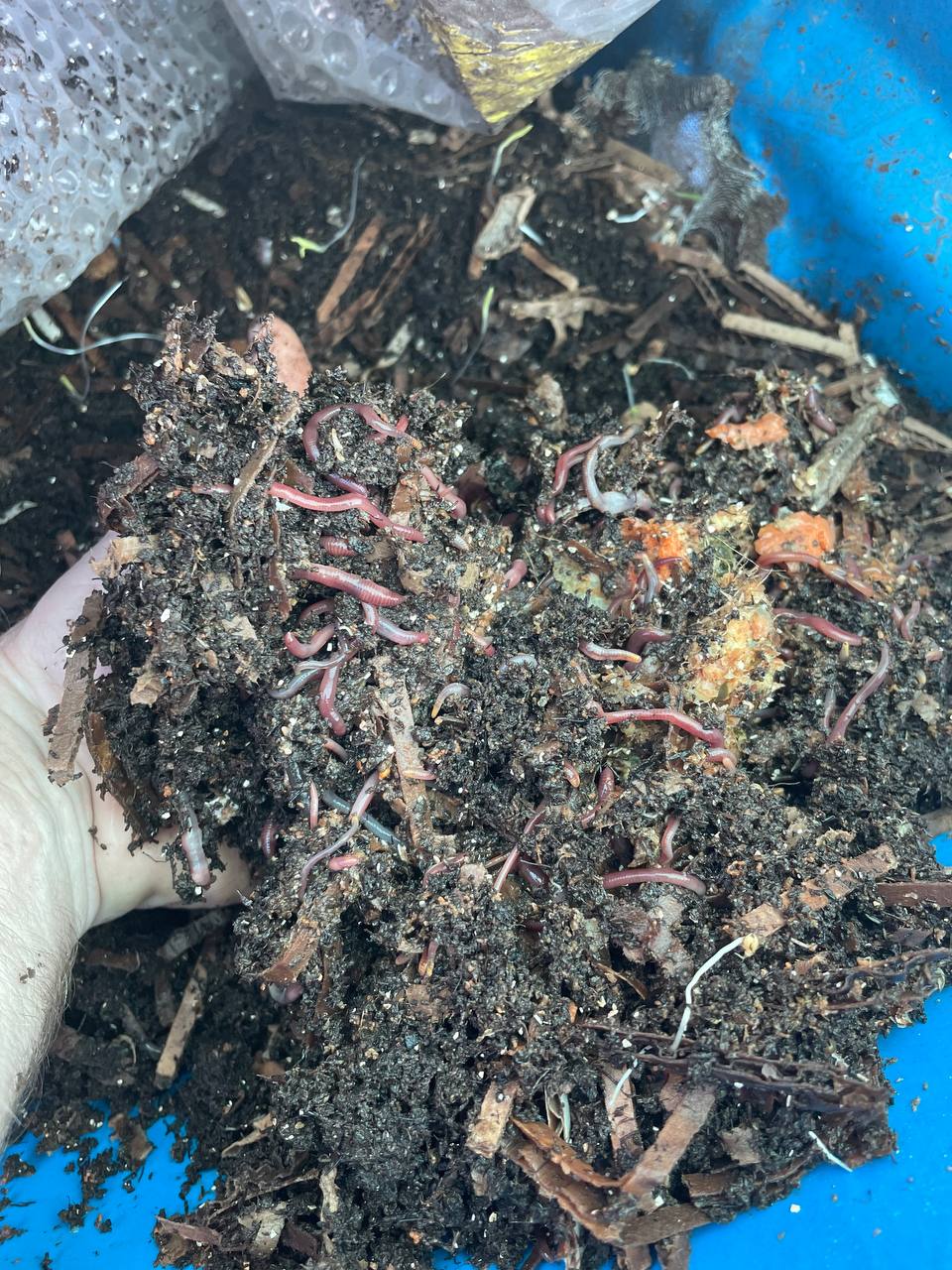
25. handful-castings-worms-3.jpg
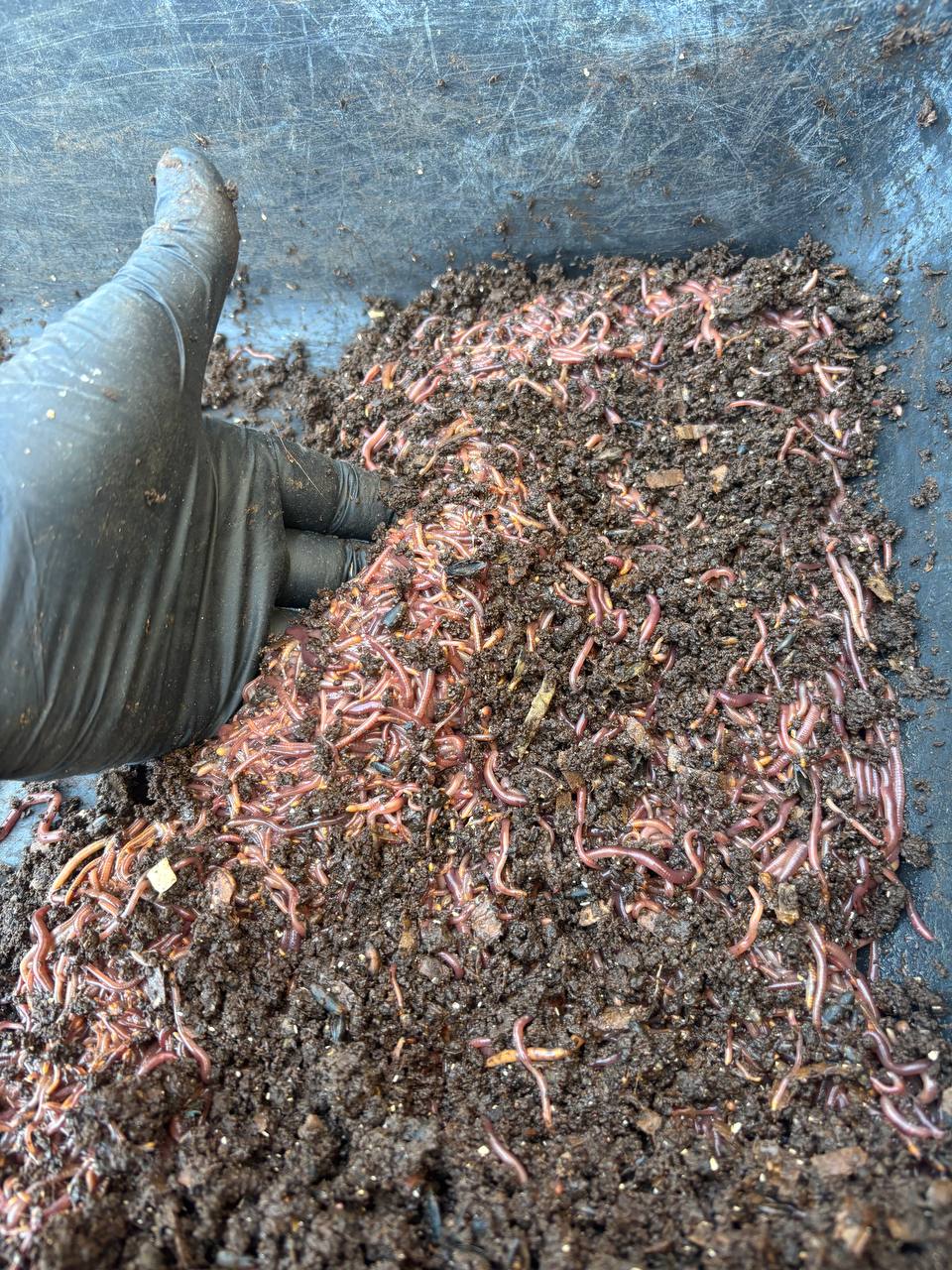
26. harvest-hand.jpg
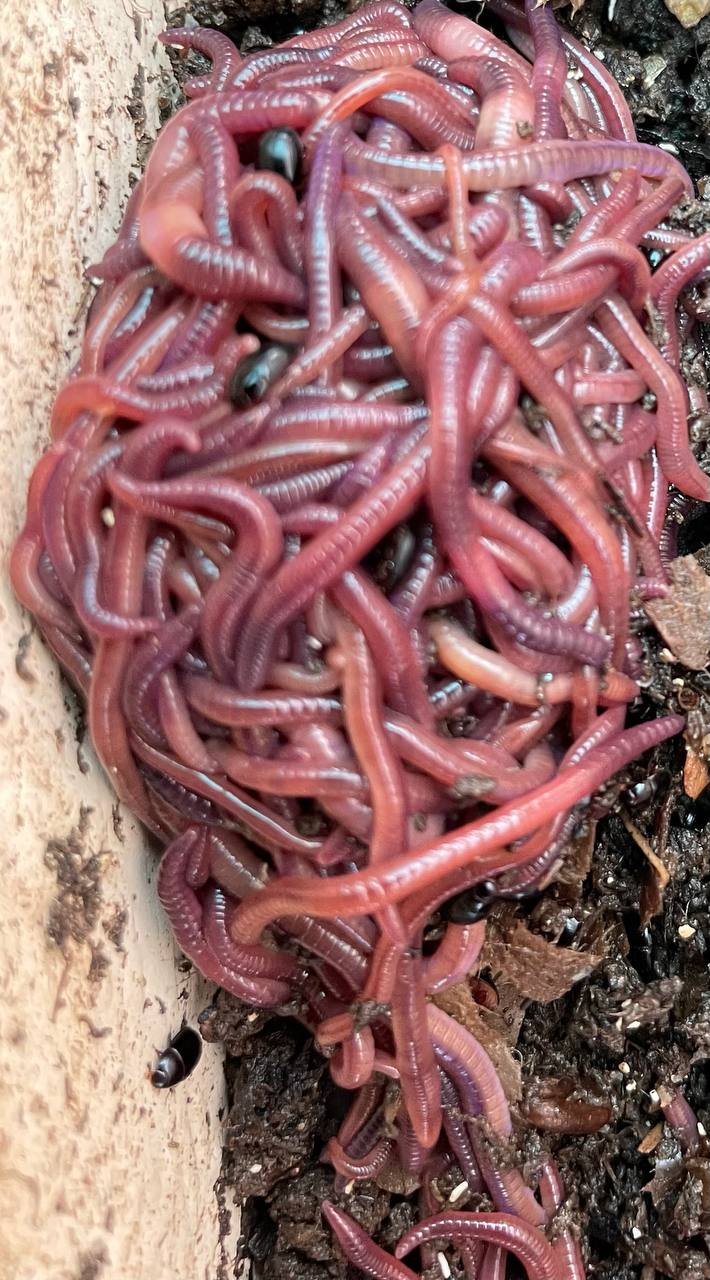
27. hero-worm-cluster.jpg
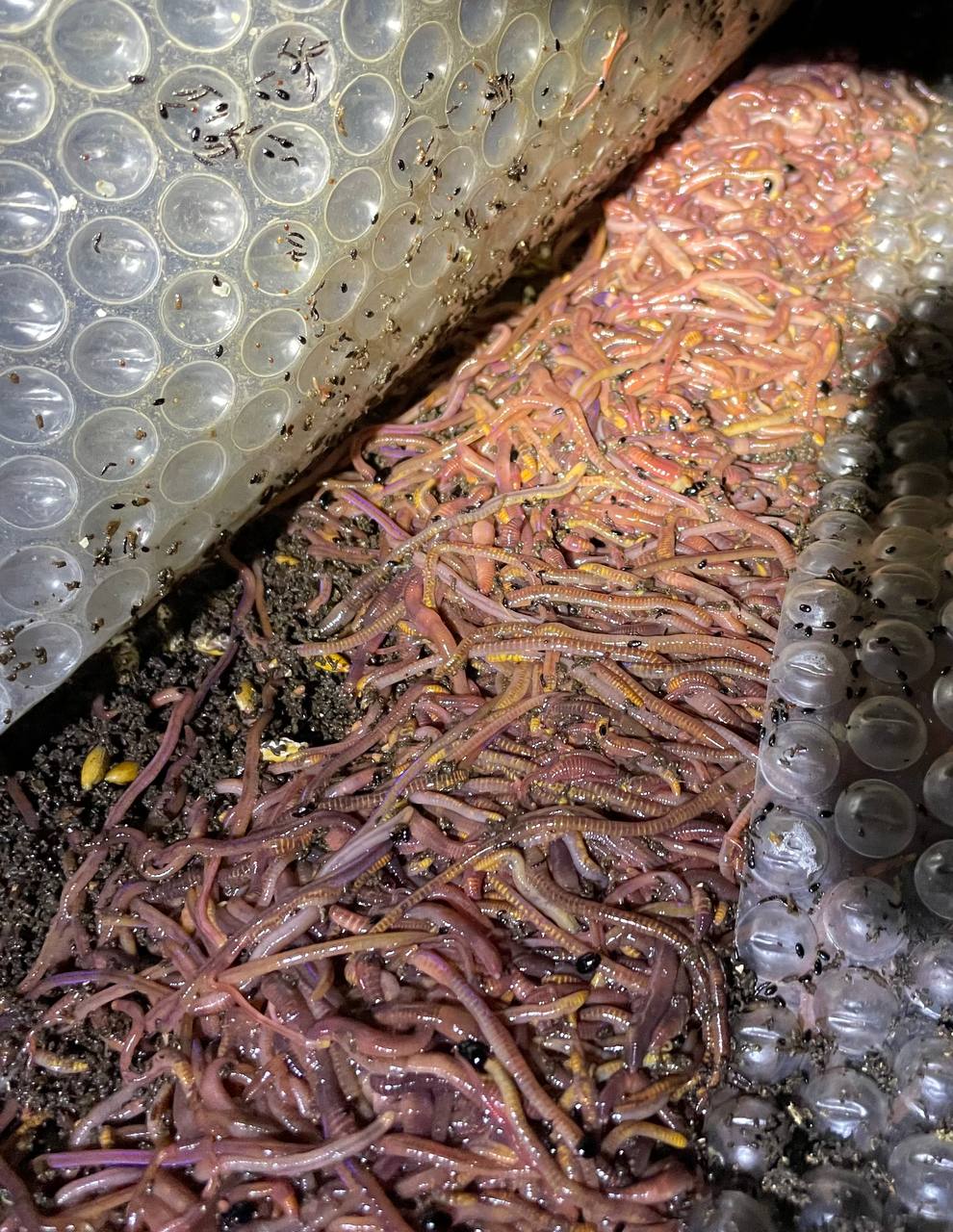
28. hero-worms.jpg
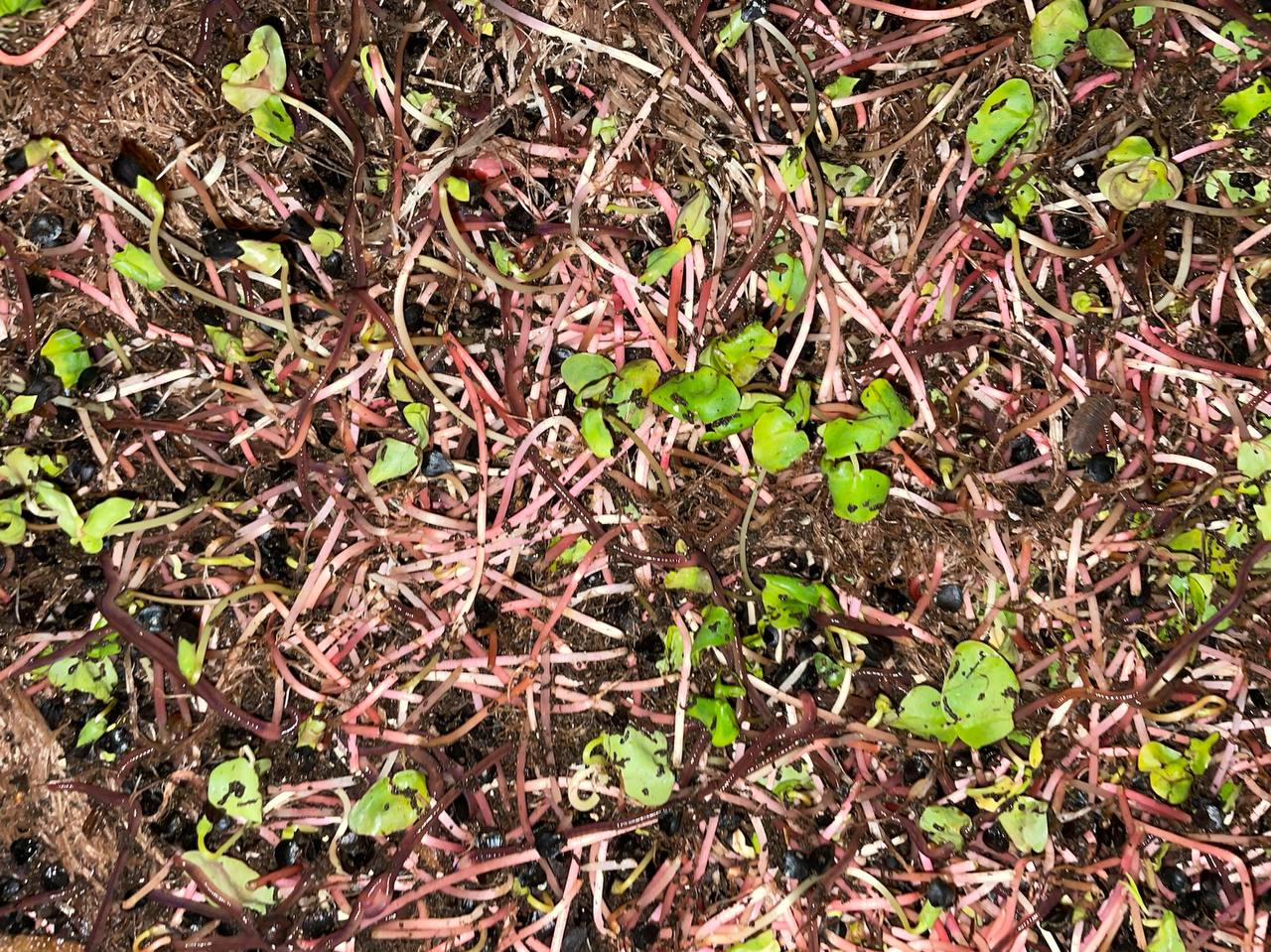
29. sprouts-bed.jpg
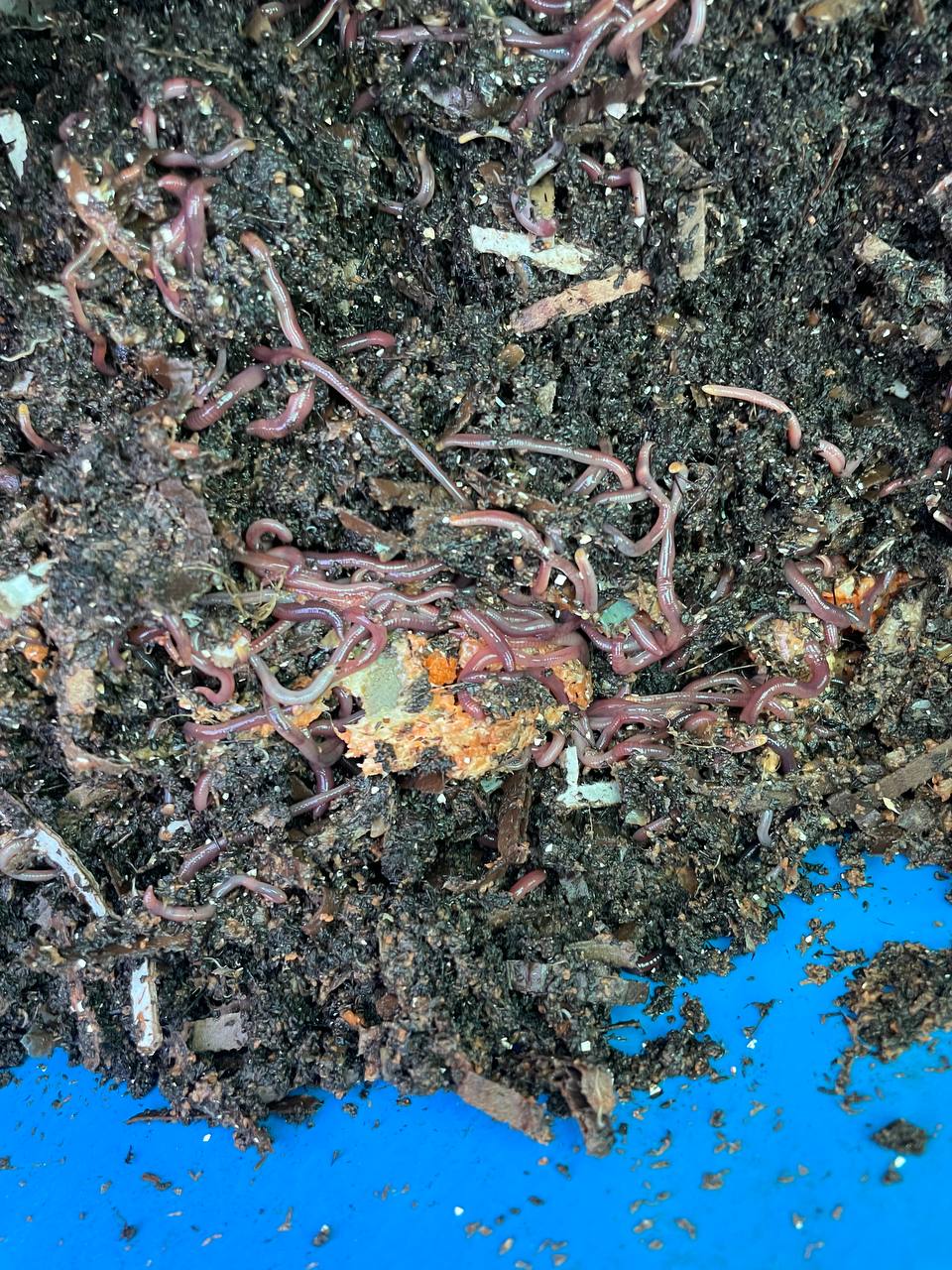
30. sprouts-mat-2.jpg
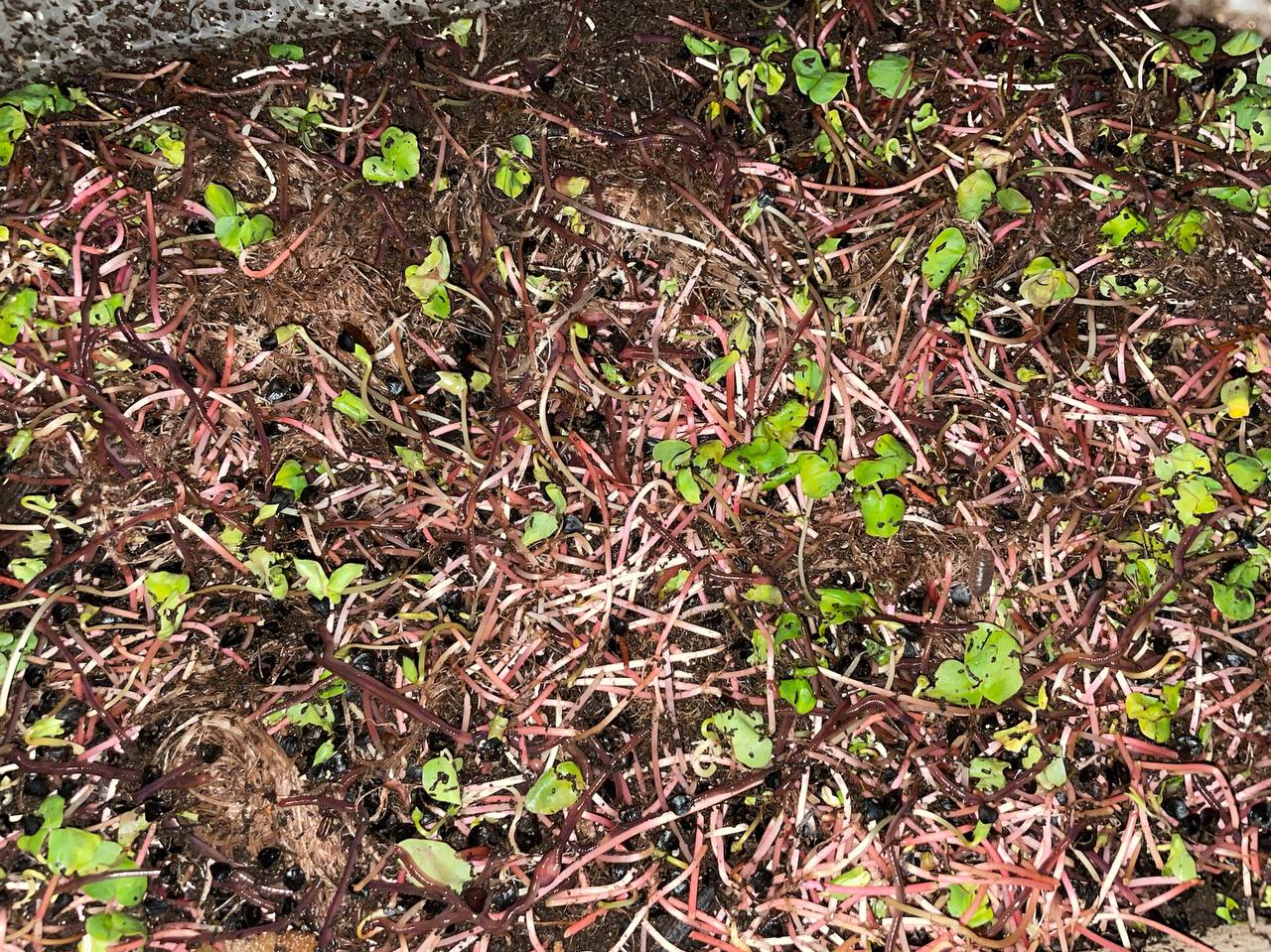
31. sprouts-mat.jpg
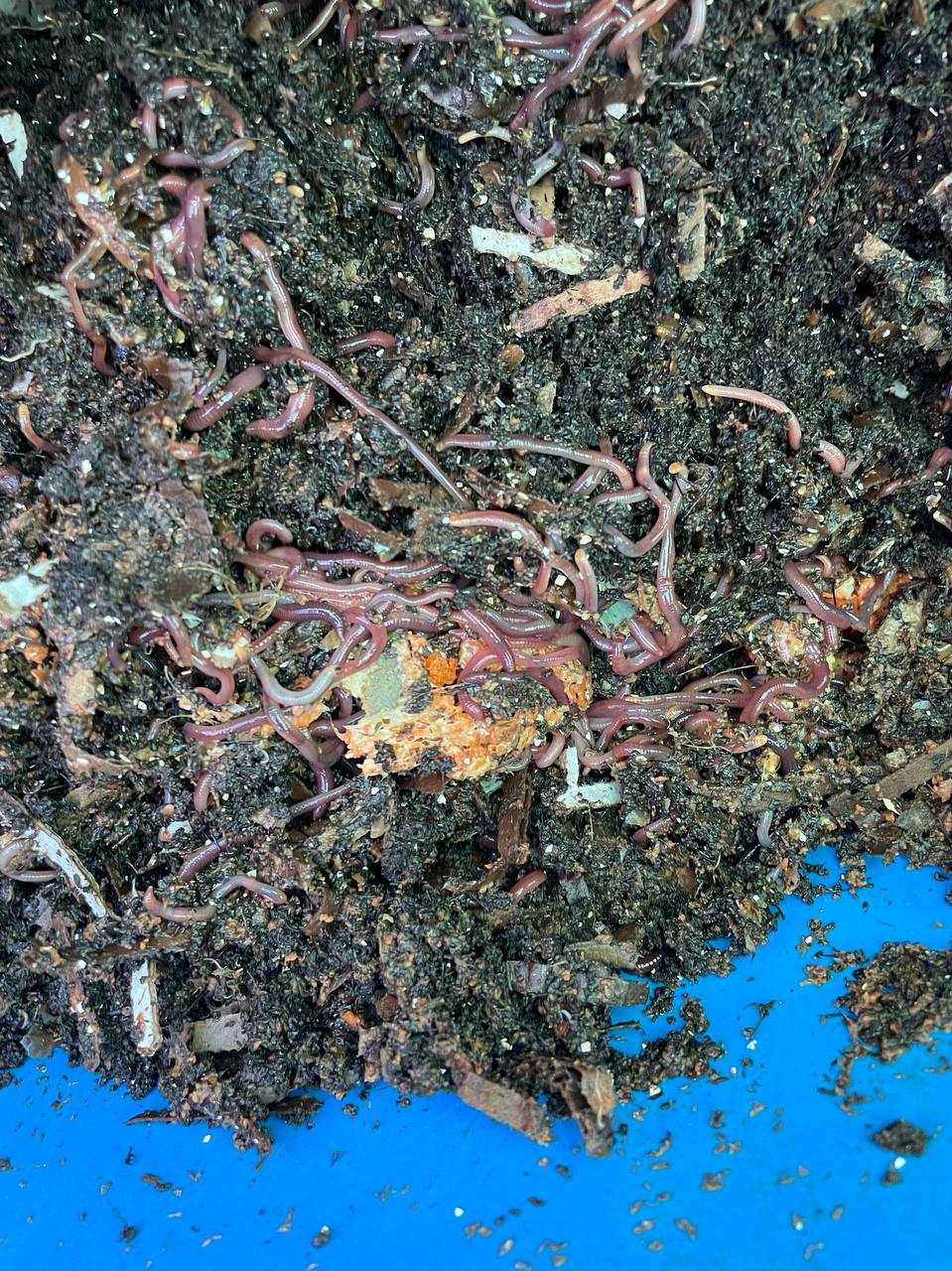
32. worm-dense-closeup-1.jpg
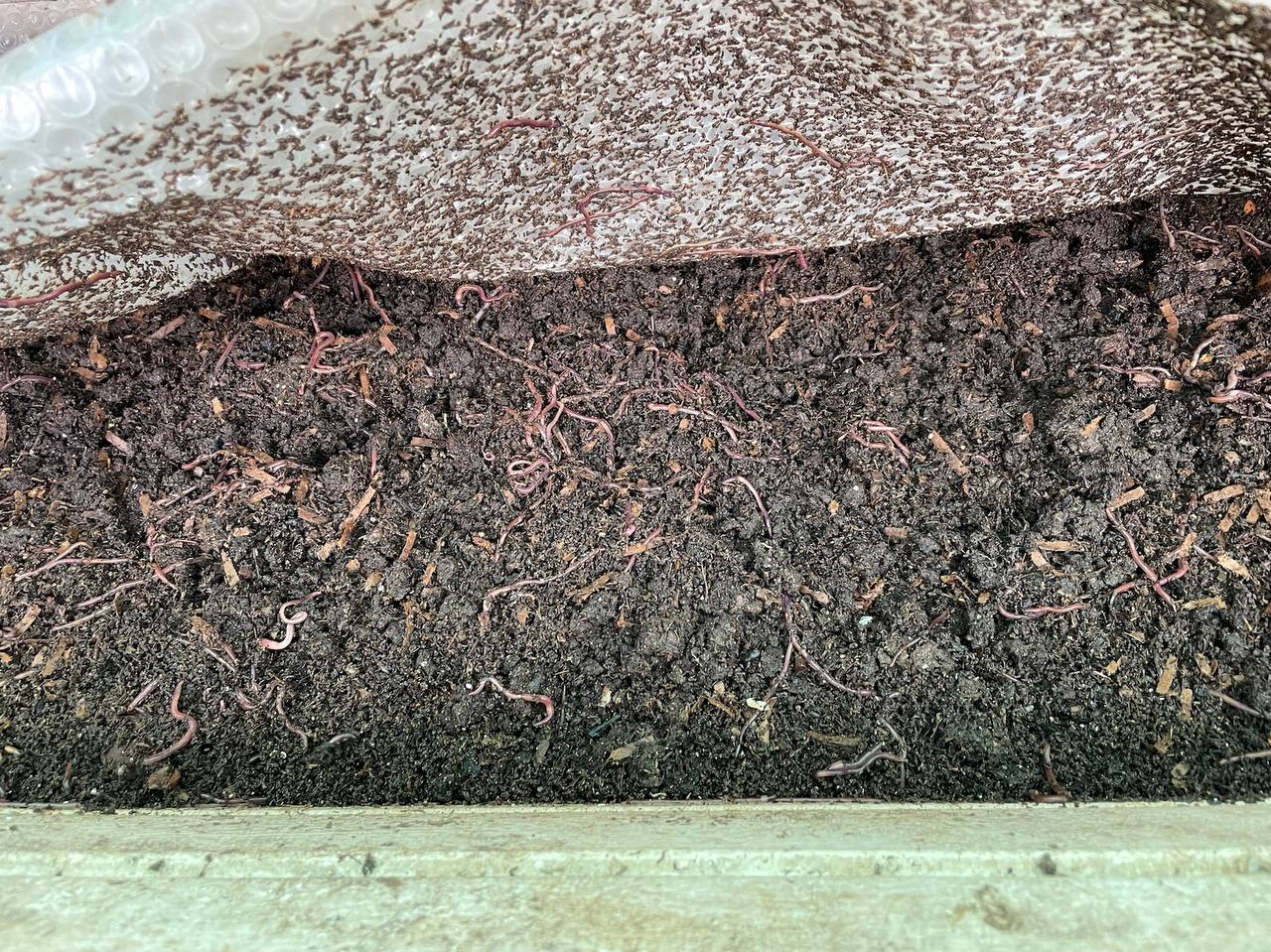
33. worm-dense-closeup-2.jpg
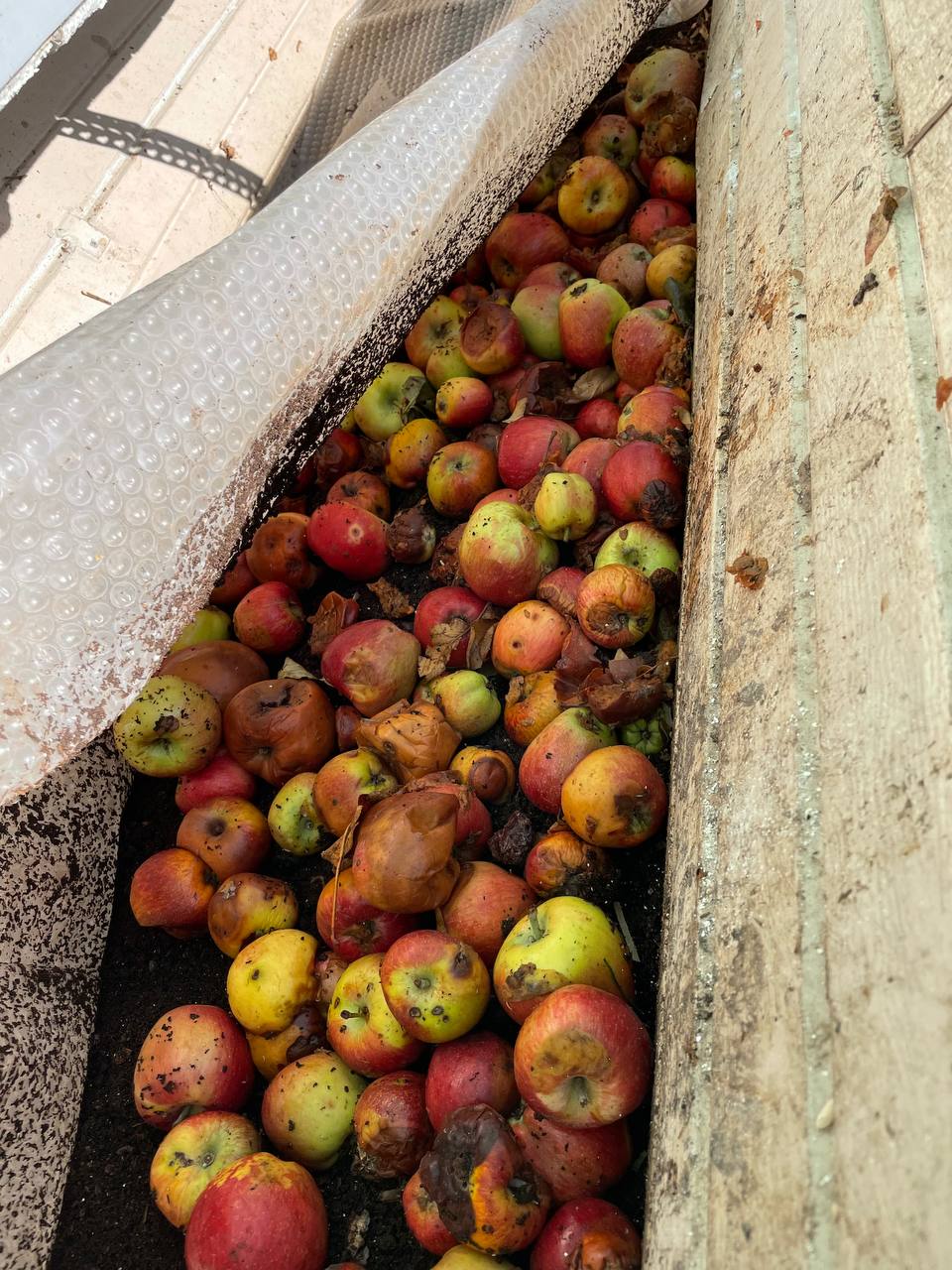
34. worm-dense-closeup-3.jpg
35. worm-tower-guide.jpg
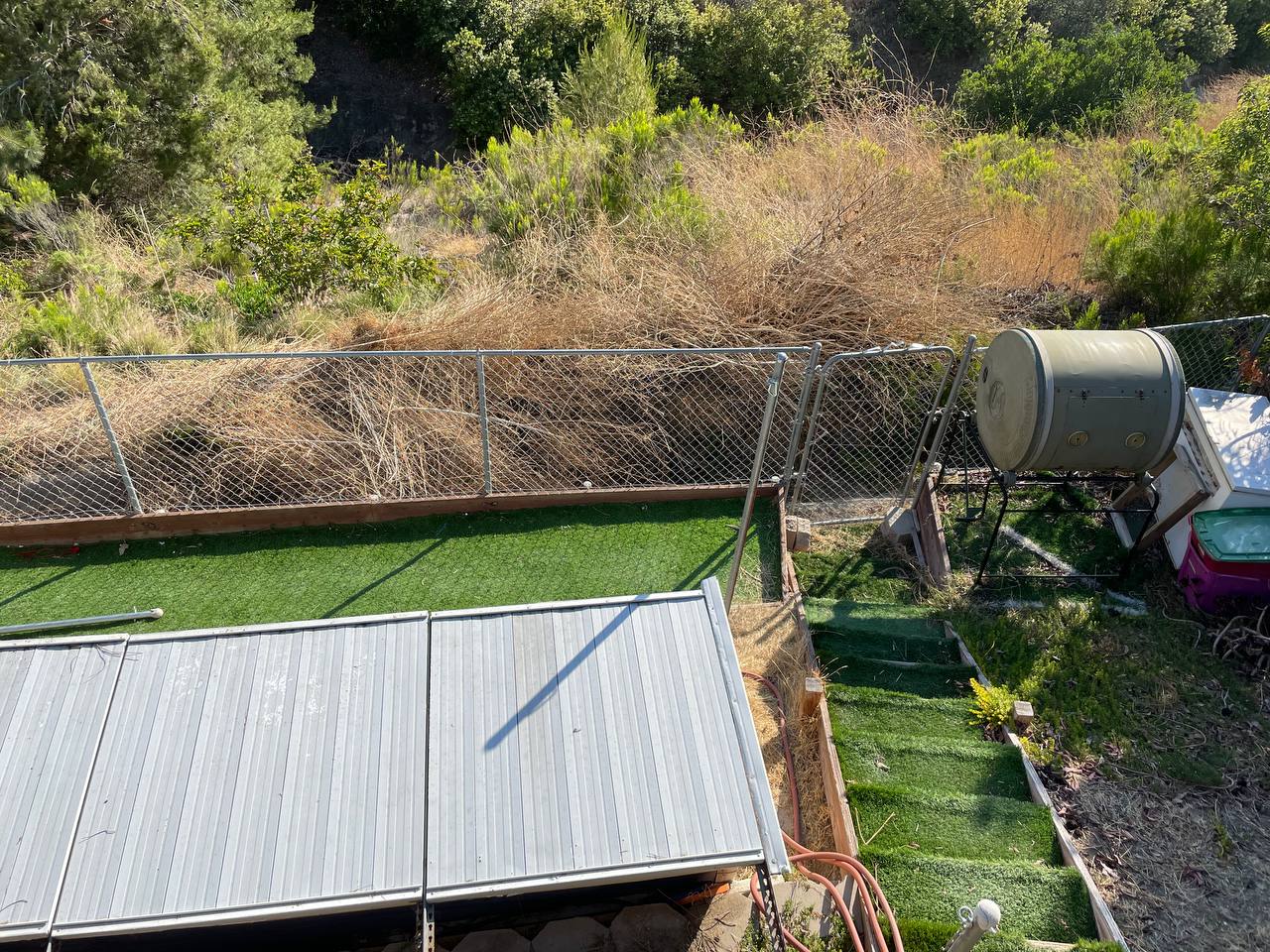
36. yard-overview-2.jpg
37. yard-overview.jpg